


What's Happening?
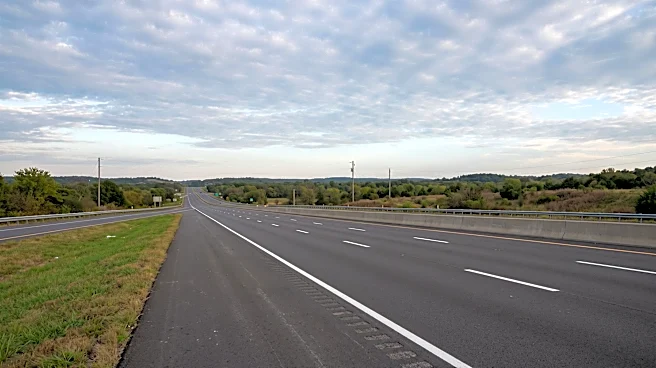
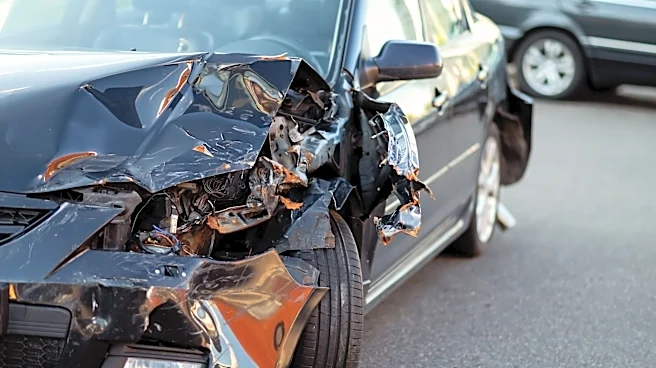
On Thursday afternoon, a severe head-on collision on Interstate 295 in Cumberland, Rhode Island, resulted in the deaths of two Massachusetts men. Joel Costa, 29, of Hyde Park, Massachusetts, who was driving a Hyundai Ionic, was pronounced dead at the scene.
Jonathan Welch, 44, of Norton, Massachusetts, the driver of a Dodge Ram 1500, later died at Rhode Island Hospital. According to Rhode Island State Police, Costa's vehicle was traveling southbound, reportedly speeding and passing other cars recklessly, before it lost control, crossed the median, and collided with Welch's northbound vehicle. Neither driver was wearing a seatbelt. The crash caused significant disruptions to the evening commute, leading to the closure of northbound lanes on I-295. State Police are continuing their investigation, with initial findings indicating that excessive speed and loss of control were major contributing factors.
Why It's Important?
This tragic incident underscores critical issues in road safety, particularly concerning the effectiveness of median barriers and the consequences of reckless driving. The Hyundai Ionic managed to break through cable barriers, which are typically designed to absorb impact and prevent cross-median crashes. While a case study by the Foundation for Traffic Safety indicates that cable barriers reduce such incidents by over 90%, this event highlights that no safety measure is foolproof, especially when excessive speeds are involved. The deaths of two individuals from Massachusetts in a Rhode Island crash also emphasize the interstate nature of traffic safety challenges and the shared responsibility across state lines to promote safe driving practices. The lack of seatbelt use by both drivers, despite the severity of the collision, brings renewed attention to the importance of occupant restraint systems, even if their efficacy in extreme circumstances is debated by law enforcement officials.
What's Next?
Rhode Island State Police will continue their investigation into the precise cause of the crash, focusing on the factors of speed and loss of control. This investigation may lead to further insights into the vehicle dynamics and the specific circumstances that allowed the car to breach the cable barrier. Depending on the findings, there could be discussions or reviews regarding the design and placement of median barriers on I-295 and other high-speed interstates, especially concerning their resilience against high-speed impacts. Public awareness campaigns about the dangers of speeding and the critical importance of wearing seatbelts may also be reinforced. The incident could also prompt local and state traffic safety authorities to re-evaluate enforcement strategies for reckless driving on major highways to prevent similar tragedies in the future.
Beyond the Headlines
The incident raises deeper questions about driver behavior and the psychological factors that contribute to reckless driving. The reported 'reckless, speeding and passing other cars' behavior suggests a disregard for traffic laws and the safety of others, which is a persistent challenge for law enforcement and public safety advocates. Beyond the immediate investigation, this event could spark broader conversations about driver education, the role of technology in preventing speeding, and the societal attitudes towards aggressive driving. The fact that cable barriers, generally considered effective, were breached also highlights the limitations of even advanced safety infrastructure when confronted with extreme forces. This could lead to a re-evaluation of engineering standards for road safety features, pushing for innovations that can withstand more severe impacts, or a greater emphasis on preventing the conditions that lead to such impacts in the first place.