





What's Happening?
The ongoing conflict in Ukraine is transforming traditional warfare tactics, particularly the use of trench warfare, which has been a staple since World War I. As drones become more prevalent on the battlefield, the extensive trench networks that characterized
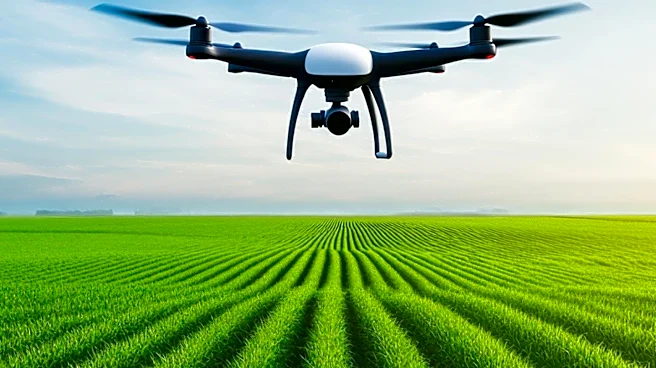
past conflicts are being abandoned. The 'droneification' of warfare has made it dangerous to spend time digging trenches, as drones can easily spot and target such activities. Instead, Ukrainian forces are opting for isolated dugouts and limiting troop exposure, reflecting a shift in military strategy that prioritizes mobility and technological advantage over static defenses.
Why It's Important?
This shift in military tactics signifies a broader change in how wars are fought in the modern era. The use of drones and other advanced technologies is reshaping battlefield strategies, reducing the reliance on traditional methods like trench warfare. This evolution has implications for military training, equipment procurement, and defense strategies worldwide. As countries adapt to these changes, there may be increased investment in drone technology and other innovations that enhance battlefield awareness and precision. The move away from trench warfare also reflects a desire to minimize casualties and protect soldiers in increasingly complex combat environments.
Beyond the Headlines
The decline of trench warfare in favor of drone-based strategies raises ethical and strategic questions about the future of warfare. The increased use of drones could lead to debates over the rules of engagement, the protection of civilian populations, and the potential for autonomous weapon systems. Additionally, the shift may influence geopolitical dynamics, as nations with advanced technological capabilities gain a strategic advantage. This transformation in warfare tactics could also impact military alliances and defense policies, as countries reassess their roles and responsibilities in global security.