


What's Happening?
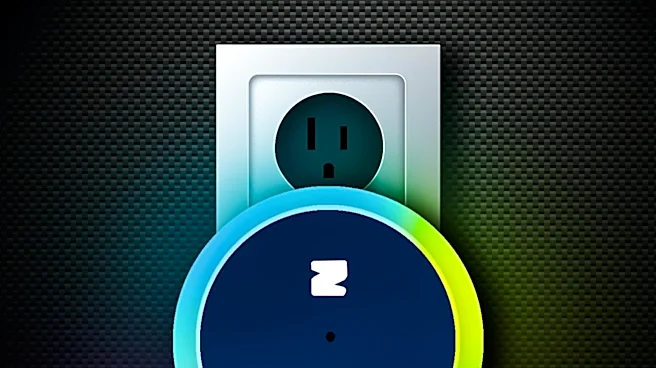
Matter bridges are emerging as crucial components in smart home ecosystems, enabling devices that use different communication protocols like Zigbee, Bluetooth Mesh, or Z-Wave to integrate seamlessly into a Matter network. A Matter bridge acts as a translator,
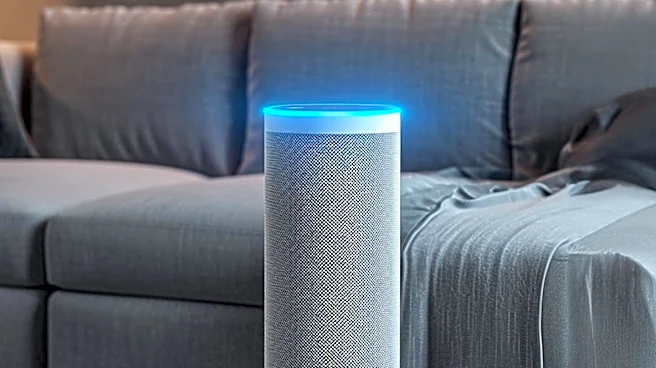
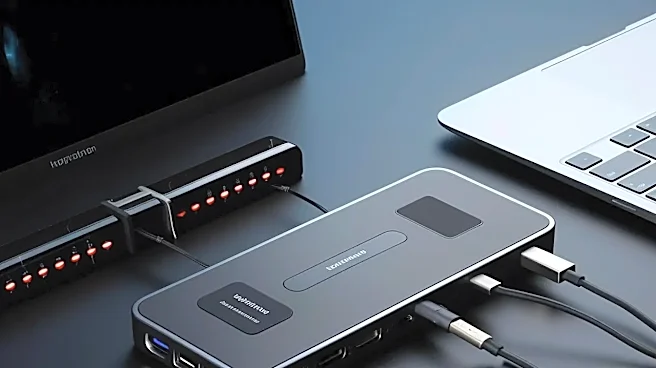
allowing a Matter controller to communicate with non-native Matter devices by converting their signals into the Matter protocol. This functionality is essential because Matter natively supports only Wi-Fi, Ethernet, and Thread. Common smart home hubs, such as the Philips Hue Bridge, IKEA DIRIGERA, SwitchBot Hub 2, and Aqara Hub M2, serve as examples of Matter bridges. Users typically pair their devices with the bridge using the manufacturer's app, and then add the bridge itself to their Matter controller, bringing all connected devices into the Matter ecosystem. This approach ensures that existing smart home devices can remain functional and integrated as the Matter standard gains wider adoption.
Why It's Important?
The role of Matter bridges is critical for the evolution and widespread adoption of smart home technology. By enabling interoperability between diverse protocols, bridges prevent consumers from having to replace their existing smart devices when transitioning to a Matter-centric system. This backward compatibility protects consumer investments and reduces electronic waste, making the adoption of new standards more appealing. For the smart home industry, bridges foster a more inclusive ecosystem, allowing a broader range of manufacturers and devices to participate in the Matter framework. This reduces fragmentation, simplifies device management for users, and encourages innovation by lowering the barrier to entry for new products. Ultimately, Matter bridges are key to creating a truly unified and user-friendly smart home experience, where devices from different brands and technologies can work together harmoniously.
What's Next?
As Matter continues to gain traction as a universal smart home standard, the development and integration of Matter bridges are expected to accelerate. Manufacturers of existing smart home hubs will likely continue to update their products to function as Matter bridges, ensuring their customer base can transition smoothly. We can anticipate new devices being designed with Matter bridging capabilities built-in, further simplifying the integration process. The increased interoperability facilitated by these bridges will likely lead to more complex and sophisticated smart home automations, as users can combine devices from various ecosystems. This trend will push the industry towards a more standardized and less fragmented landscape, ultimately benefiting consumers with greater choice, flexibility, and ease of use in managing their smart homes.
Beyond the Headlines
The emergence of Matter bridges signifies a deeper shift in the smart home industry towards open standards and user-centric design. Historically, smart home ecosystems have been fragmented, with devices often locked into proprietary platforms. Matter, supported by bridges, challenges this model by promoting universal compatibility, which could democratize the smart home market. This shift has ethical implications, as it empowers consumers with more control over their device choices and reduces reliance on single vendors. Legally, it could influence future regulations regarding interoperability in connected devices. Culturally, it moves towards a vision of technology that seamlessly integrates into daily life without requiring extensive technical knowledge or brand loyalty. This evolution suggests a future where smart homes are not just about convenience, but also about user freedom, sustainability, and a more integrated technological experience.