



What's Happening?
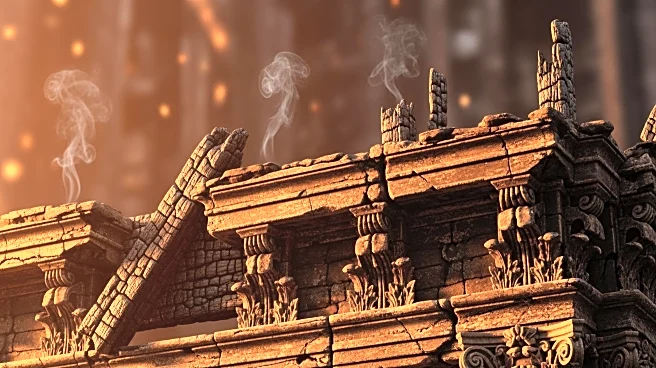
The Doge's Palace in Venice, a historic building combining Gothic, Renaissance, and Mannerist architectural styles, suffered a catastrophic fire in 1577. This blaze, one of several throughout its history, was particularly devastating as it destroyed the
Great Council Chamber, which housed numerous invaluable paintings. The fire obliterated works by renowned artists such as Titian, Tintoretto, and Vittore Carpaccio. Despite the structural integrity of the palace remaining largely intact, the loss of these artworks represented a significant cultural and historical blow. The fire's origins remain unclear, but its impact was immediate and profound, prompting the Venetian government to quickly commission new artworks to replace those lost.
Why It's Important?
The 1577 fire at the Doge's Palace underscores the vulnerability of cultural heritage to disasters. The loss of artworks by masters like Titian and Tintoretto represents an irreplaceable gap in art history, depriving future generations of direct access to these masterpieces. This event highlights the importance of preserving and protecting cultural artifacts, as well as the need for effective disaster preparedness in safeguarding historical sites. The Venetian government's swift response to commission new works reflects the resilience and determination to preserve cultural identity and history, even in the face of significant loss.
What's Next?
Following the fire, the Venetian government initiated a redecoration program for the Great Council Chamber, focusing on history paintings that celebrated Venice's rise to power. This initiative not only aimed to restore the aesthetic and cultural value of the palace but also to reinforce Venice's identity as a resilient economic powerhouse. The new commissions served to fill the void left by the lost artworks, ensuring that the palace continued to reflect the city's rich history and artistic legacy.
Beyond the Headlines
The fire at the Doge's Palace serves as a poignant reminder of the fragility of cultural heritage. It raises questions about the balance between preserving original artworks and creating new interpretations that honor historical narratives. The event also highlights the ongoing challenges faced by cultural institutions in protecting their collections from unforeseen disasters. As climate change and other global factors increase the risk of such events, the need for comprehensive preservation strategies becomes ever more critical.