



What's Happening?
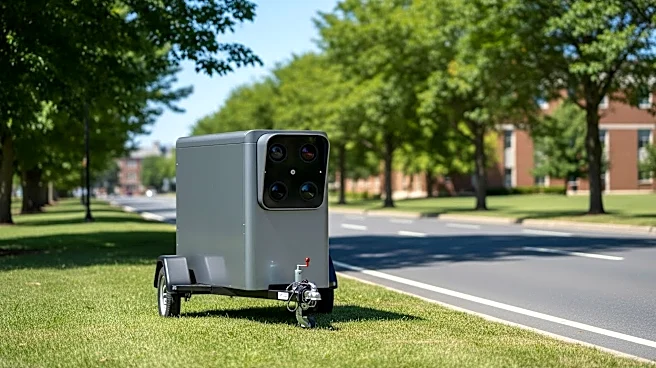
Malibu city officials are launching an automated speed safety system along the Pacific Coast Highway (PCH) to address reckless driving and reduce fatalities. The system, which involves installing up to 10 cameras across five locations within city limits,
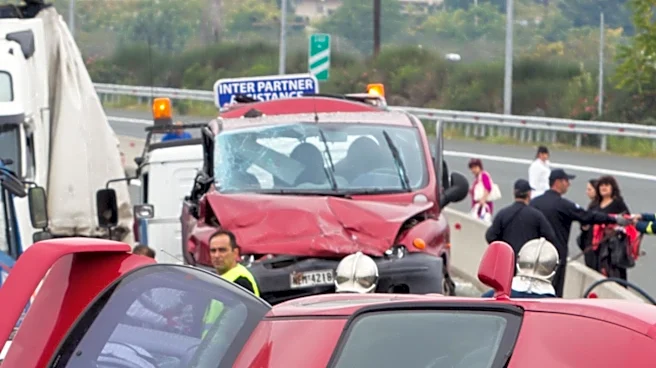
is currently in its construction phase. A public awareness campaign is underway to inform residents about camera locations, operational timelines, and enforcement procedures. This initiative follows years of community concern over high-speed traffic, which has resulted in over 60 fatalities on the local corridor since 2010. A critical incident in October 2023, where a speeding driver killed four Pepperdine University students, spurred local leaders to form a public safety coalition and seek state authorization for the system. The new system will utilize advanced lidar and camera sensors to capture the rear license plates of vehicles exceeding the speed limit by at least 11 mph.
Why It's Important?
The implementation of automated speed cameras on the Pacific Coast Highway represents a significant step in addressing a long-standing public safety issue in Malibu. The high number of fatalities on this stretch of road has had a profound impact on the community, leading to increased calls for action. This system aims to deter speeding, thereby reducing accidents and saving lives. For residents and frequent commuters, this could mean a safer driving environment, though it also introduces civil infractions for speeding, which, while not affecting driver's licenses or insurance rates, will result in financial penalties. The program's revenue will be reinvested into system operations and future traffic-calming projects, potentially creating a sustainable model for road safety improvements. This initiative also highlights the growing trend of using technology to enforce traffic laws and improve road safety in urban and scenic areas.
What's Next?
A 60-day warning period for the new speed camera system is scheduled to begin in late September. During this period, motorists caught speeding will receive warning notices in the mail instead of fines. Following the warning period, financial penalties for violations will take effect in late November. Municipal officials have confirmed that non-violation data collected by the cameras will be purged immediately, while violation records will be destroyed within 60 days of case resolution. The city will continue its public awareness campaign to ensure that drivers are fully informed about the new system and its enforcement. The success of this program could influence similar initiatives in other areas grappling with high-speed traffic and related safety concerns.
Beyond the Headlines
The introduction of automated speed cameras in Malibu raises broader discussions about the balance between public safety and privacy, as well as the role of technology in law enforcement. While the system is designed to enhance safety and reduce fatalities, concerns about surveillance and data retention often accompany such technologies. The city's commitment to purging non-violation data and destroying violation records within 60 days of case resolution aims to mitigate some of these privacy concerns. Furthermore, this initiative could set a precedent for how other scenic and high-traffic corridors across the U.S. address similar safety challenges, potentially leading to wider adoption of automated enforcement systems. The program also underscores the community's power in advocating for legislative changes and technological solutions in response to tragic events.