






What's Happening?
The International Union for Conservation of Nature (IUCN) has officially declared the emperor penguin and the Antarctic fur seal as endangered species. This decision comes as a result of significant habitat changes driven by global warming. Emperor penguins,
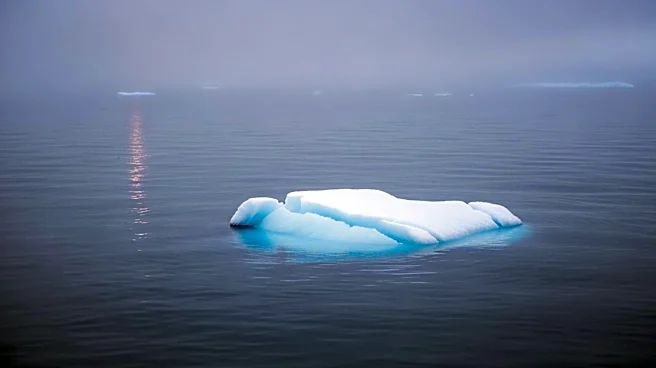
which were previously considered near threatened, are now facing severe threats due to the loss of coastal sea ice, essential for raising their chicks. The early breakup of ice can lead to chicks drowning before they develop waterproof feathers. The population of adult emperor penguins is currently estimated at less than 600,000, with projections indicating a potential decline to half by the 2080s. Similarly, the Antarctic fur seal has been reclassified from 'least concern' to 'endangered' due to rising ocean temperatures affecting their primary food source, krill. The IUCN's decision highlights the urgent need to address climate change impacts on polar ecosystems.
Why It's Important?
The declaration of these species as endangered underscores the critical impact of climate change on polar ecosystems, which are vital to global environmental health. The loss of sea ice in Antarctica affects not only the emperor penguins and fur seals but also the planet's ability to reflect solar energy, thus influencing global temperatures. The nutrient-rich waters of Antarctica play a crucial role in ocean circulation and support significant fisheries worldwide. The decline in these species serves as a warning about the broader implications of climate change, emphasizing the need for international efforts to reduce greenhouse gas emissions and protect vulnerable ecosystems.
What's Next?
The IUCN's declaration may prompt increased conservation efforts and international collaboration to mitigate climate change effects on polar regions. Governments and environmental organizations might enhance monitoring and protection measures for these species, while advocating for stronger climate policies. The scientific community is likely to focus on research to better understand the impacts of climate change on polar ecosystems and develop strategies to preserve biodiversity. Public awareness campaigns could also be initiated to highlight the importance of protecting these iconic species and their habitats.
Beyond the Headlines
The endangered status of emperor penguins and Antarctic fur seals raises ethical questions about humanity's responsibility to protect vulnerable species and ecosystems. It also highlights the legal challenges in enforcing international climate agreements and conservation policies. Culturally, these species are symbols of the pristine and remote nature of Antarctica, and their decline could affect tourism and scientific research in the region. Long-term shifts in global climate patterns may further threaten biodiversity, necessitating a reevaluation of conservation priorities and strategies.