






What's Happening?
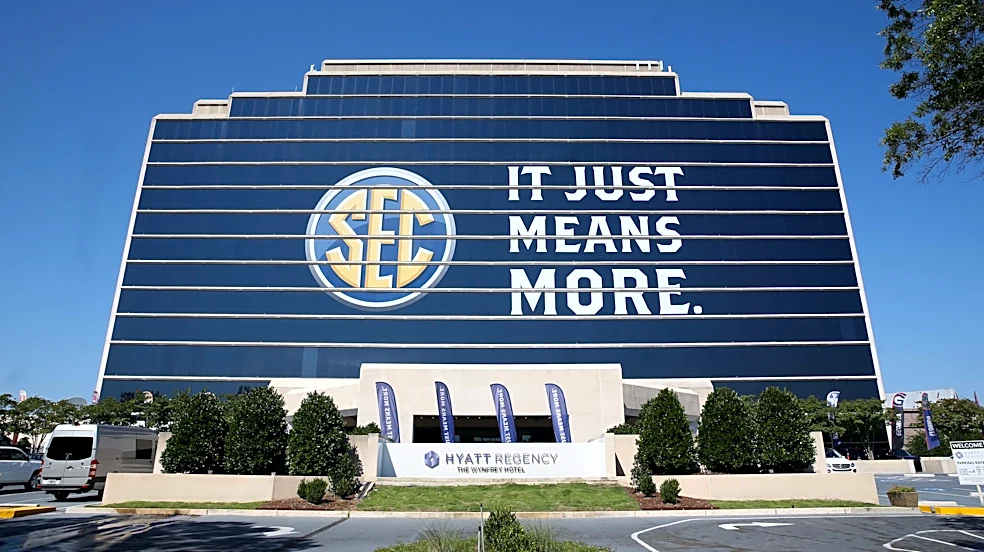
The Birmingham City Council in the United Kingdom recently posted a photo of Birmingham, Alabama, on its official X (formerly Twitter) account instead of an image of its own city. The post, which has since been deleted and replaced, was related to a residential
development company being fined for failing to implement critical fire safety improvements. Eagle-eyed social media users quickly pointed out the error, leading to the council replacing the image with one depicting Birmingham, UK. This is not the first time the UK council has confused the two cities; about a decade ago, it distributed flyers about recycling that featured photos of Birmingham, Alabama. At that time, the council defended the use of the image as a symbolic representation of an urban area and declined to recall the flyers.
Why It's Important?
While seemingly a minor gaffe, this incident highlights potential issues in official communications and attention to detail within public institutions. For a city council, accurately representing its own locality in public messaging is fundamental to maintaining credibility and effective communication with its constituents. Such errors can lead to public ridicule and questions about the council's operational efficiency, especially given its recent history of declaring effective bankruptcy and ongoing sanitation worker strikes. The repeated nature of this specific mistake suggests a lack of internal checks or awareness regarding visual content, which could undermine public trust and perception of the council's professionalism. It also inadvertently draws attention to the American city, creating a moment of cross-cultural, albeit accidental, recognition.
What's Next?
Following the correction, the Birmingham City Council in the UK will likely continue its regular social media communications with increased scrutiny on visual content. The incident may prompt internal reviews of content approval processes for official social media accounts to prevent similar errors in the future. While there are no immediate policy changes or significant repercussions expected from this specific incident, the council will likely face continued public and media attention regarding its operational competence, especially given its recent financial and labor challenges. The event serves as a reminder for public bodies to implement robust verification procedures for all public-facing materials.
Beyond the Headlines
This incident subtly underscores the global interconnectedness and the potential for confusion arising from shared place names across different countries. Beyond the immediate gaffe, it reflects on the broader challenges of digital communication for public entities, where a single misstep can quickly become a viral moment. The council's past defense of using a 'symbolic' urban image for its flyers suggests a potential disconnect between official communication strategies and public expectations for accuracy and local relevance. In an era where visual content is paramount, the precise representation of local identity becomes crucial for civic engagement and maintaining a clear public image. The repeated nature of the error also invites a deeper look into organizational culture and attention to detail within large public sector bodies.