





What's Happening?
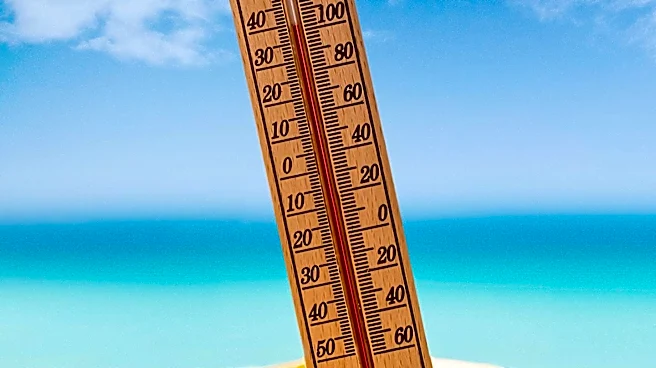
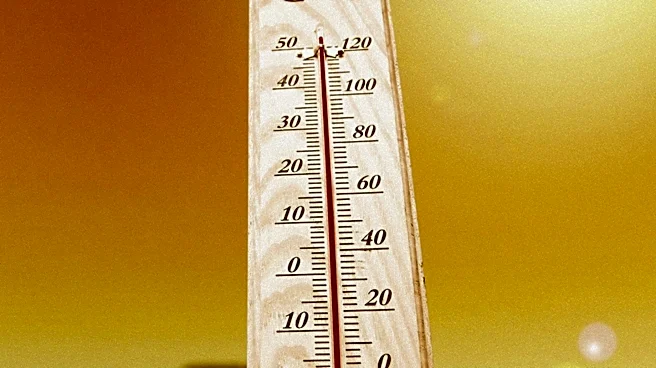
Heat advisories have been issued for 43 of Florida's 67 counties as temperatures and humidity levels soar, creating hazardous conditions. The National Weather Service has warned of heat indices reaching up to 115 degrees in some areas, prompting advisories for July
27-28. The advisories cover regions including the Florida Panhandle, Big Bend, and Northeast Florida, with extreme heat watches in effect for certain areas. Residents are advised to take precautions to avoid heat-related illnesses, such as staying hydrated and avoiding outdoor activities during peak heat hours. The advisories highlight the potential for severe weather conditions, including thunderstorms, which could exacerbate the heat's impact.
Why It's Important?
The extreme heat poses significant health risks, particularly for vulnerable populations such as the elderly, children, and those with pre-existing health conditions. The advisories serve as a critical public health measure to prevent heat-related illnesses and fatalities. The heat wave also has implications for energy consumption, as increased use of air conditioning can strain power grids. Additionally, the agricultural sector may face challenges due to the heat, affecting crop yields and livestock. The situation underscores the importance of preparedness and resilience in the face of extreme weather events, which are becoming more frequent due to climate change.
What's Next?
As the heat wave continues, residents are encouraged to stay informed through weather alerts and updates. Local authorities may open cooling centers to provide relief for those without access to air conditioning. The ongoing heat conditions could lead to further advisories or warnings if temperatures remain high. Long-term, the frequency of such heat events may prompt discussions on infrastructure improvements and climate adaptation strategies to better protect communities from extreme weather.