



What's Happening?
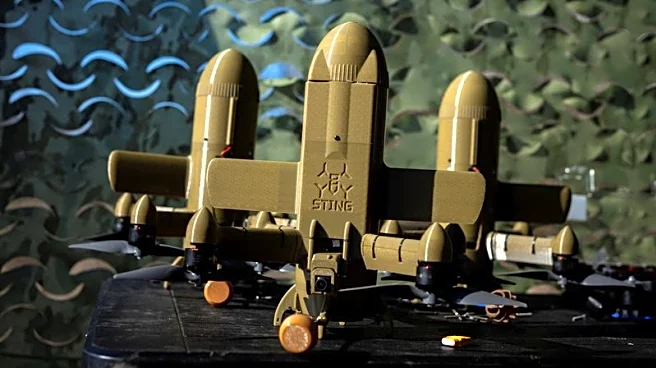
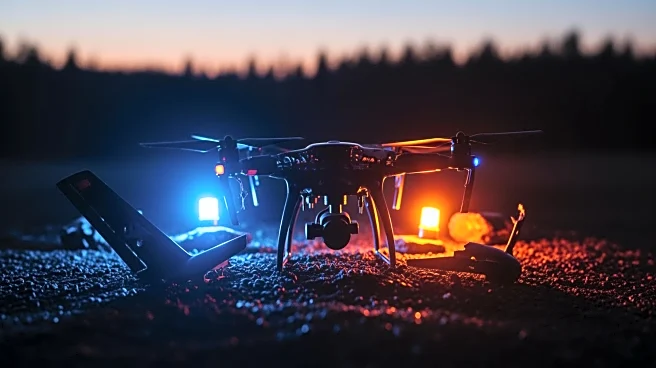
Ukraine has initiated a new strategy to bolster its air defense capabilities against Russian drone attacks by involving the private sector. This experimental program allows private companies to form air defense units using Ukrainian-made interceptor drones
and other short-range weapons. These units operate under the command and control of the Ukrainian military, aiming to protect critical infrastructure and reduce the burden on frontline troops. The initiative comes as Ukraine faces continuous drone and missile attacks from Russia, targeting its industrial and defense sectors. Ukrainian Defense Minister Mykhailo Fedorov announced that several private firms have already engaged in combat operations, successfully intercepting enemy drones in regions like Kharkiv. The program is part of a broader effort to decentralize production and enhance Ukraine's defense capabilities without overextending its military resources.
Why It's Important?
The involvement of private companies in Ukraine's air defense represents a significant shift in military strategy, potentially setting a precedent for other nations facing similar threats. By leveraging private sector resources, Ukraine aims to enhance its defense capabilities while maintaining military focus on the frontlines. This approach could influence global defense strategies, especially in regions vulnerable to drone and missile attacks. The program also highlights Ukraine's innovative response to resource constraints, as it seeks to maintain its defense posture amid ongoing conflicts. The success of this initiative could lead to increased international interest in similar models, particularly in the Middle East, where countries face comparable security challenges.
What's Next?
As the program develops, Ukraine plans to expand the involvement of private companies in its air defense strategy. Thirteen additional firms are preparing to join the initiative, which could significantly enhance Ukraine's ability to protect its infrastructure. The government is also exploring international defense cooperation, as evidenced by recent agreements with Middle Eastern countries. These partnerships may provide financial support and technological collaboration, further strengthening Ukraine's defense capabilities. The success of this program could lead to broader adoption of private sector involvement in national defense strategies worldwide.
Beyond the Headlines
The integration of private companies into national defense raises questions about command and control, potential risks of fratricide, and the management of decentralized defense systems. While this approach offers flexibility and resource efficiency, it also requires careful coordination to avoid operational conflicts and ensure effective defense outcomes. The program's success could redefine traditional military roles and encourage other nations to explore similar models, potentially reshaping global defense strategies.