






What's Happening?
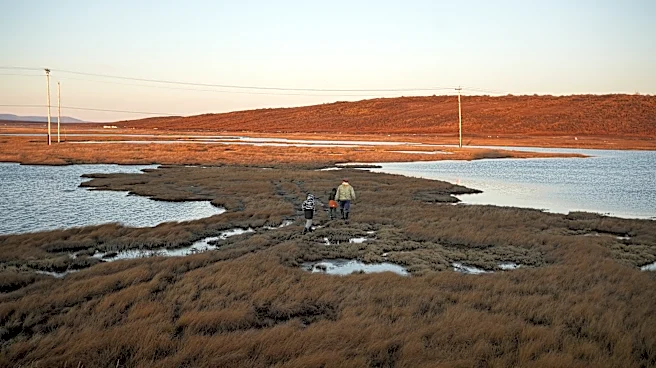
The Alaska Food Strategy Task Force has launched a comprehensive statewide initiative to bolster food security across Alaska. This effort aims to ensure reliable and equitable access to nutritious food for all residents, addressing challenges posed by
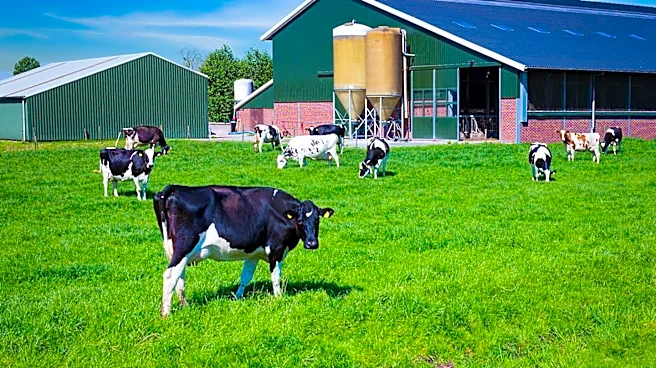
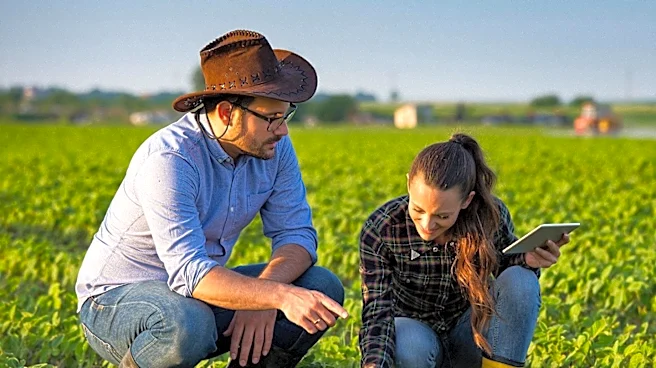
shifting climate patterns, evolving supply chains, and increasing food insecurity in vulnerable communities. The Task Force's strategy extends beyond mere food availability, encompassing affordability, accessibility, cultural relevance, and environmental stewardship. A core focus is on enhancing local production and supply chain resilience, recognizing Alaska's geographic isolation and dependence on long-distance food transport. Initiatives include investing in year-round community farming, expanding cold storage infrastructure, and supporting regional food hubs. The Task Force also prioritizes equity, as nearly 15% of Alaska's population faces food insecurity, more than double the national average, with higher rates in Native Alaskan and rural communities.
Why It's Important?
Alaska's unique geographical and climatic conditions make food security a particularly critical issue, with implications for public health, economic stability, and cultural preservation. The state's reliance on external food sources creates vulnerabilities to supply chain disruptions, which can lead to higher costs and limited access to fresh produce. The Task Force's emphasis on local production and resilient supply chains is vital for reducing this dependency and building a more self-sufficient food system. Addressing food insecurity, especially in Native Alaskan communities, is crucial for improving health outcomes and preserving traditional foodways. The strategy's focus on cultural relevance acknowledges the deep connection between food, identity, and heritage, ensuring that solutions are appropriate and sustainable for diverse populations across the state. Furthermore, integrating climate adaptation into food systems planning is essential for long-term resilience in a region significantly impacted by climate change.
What's Next?
The Alaska Food Strategy Task Force will continue to implement its multi-pronged approach, with ongoing efforts to expand regional food hubs, upgrade cold storage facilities, and deploy digital logistics tools to improve distribution, especially in remote areas. Partnerships with Tribal Nations will be central to incorporating Traditional Ecological Knowledge into food planning and ensuring culturally appropriate solutions. The Task Force is expected to roll out targeted programs such as subsidized farmers' market vouchers and mobile produce delivery in food deserts to enhance equitable access. Future initiatives will also focus on climate-smart agriculture, including the use of greenhouses with renewable energy and regenerative farming techniques. Continued public engagement through community forums and cultural food festivals will be crucial for fostering ownership and ensuring that policies reflect the real-world needs and choices of Alaskans. The success of pilot projects in various communities will likely inform broader statewide implementation.
Beyond the Headlines
The Alaska Food Strategy Task Force's work represents a significant paradigm shift in how a state can approach food security, moving beyond emergency response to a holistic, long-term transformation. Its integration of Indigenous knowledge with modern logistics and scientific rigor offers a model for other regions facing similar challenges. The emphasis on local food systems not only enhances resilience but also fosters local economies and community cohesion. This initiative highlights the interconnectedness of environmental health, cultural heritage, and public well-being. By prioritizing sustainable practices and climate adaptation, Alaska is not just securing food for today but also building a foundation for future generations to thrive in a changing environment. The Task Force's approach underscores that true food security is about more than just calories; it's about sovereignty, sustainability, and cultural integrity.