
What's Happening?
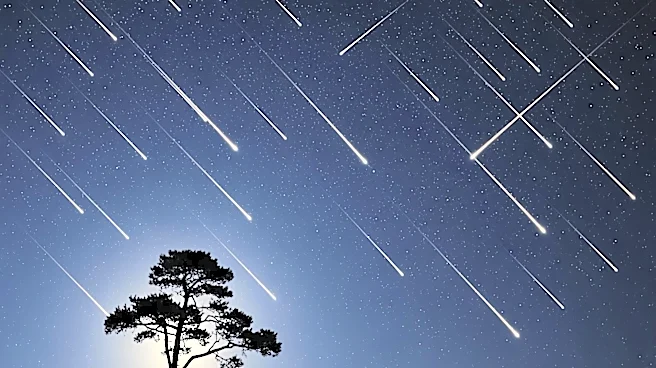
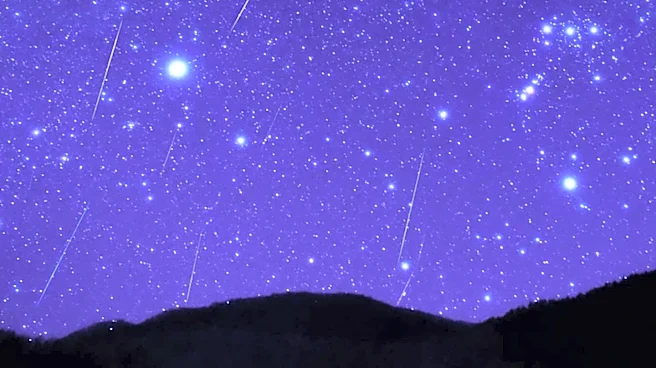
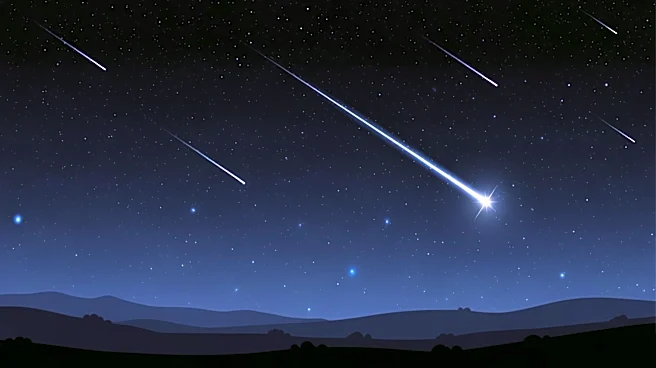
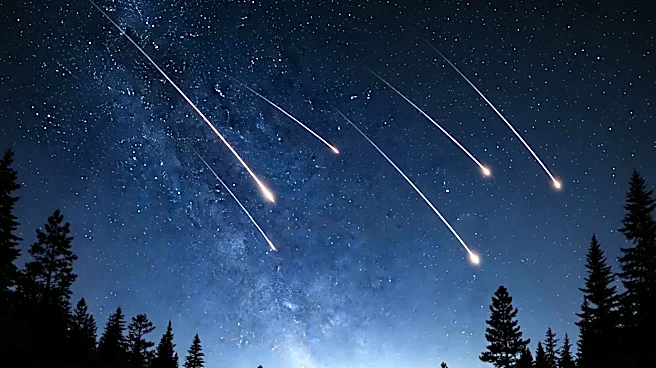
The Lyrid meteor shower reached its peak activity on April 22, 2026, as Earth passed through the debris trail of comet Thatcher. This annual event, observed for over 2,700 years, showcased shooting stars
blazing through the sky, particularly visible from locations such as Alberta, Canada. Astrophotographer Harlan Thomas captured images of meteors alongside the northern lights, while NASA astronaut Jessica Meir photographed the event from the International Space Station. The shower, active until April 25, offers skywatchers a chance to witness up to 20 meteors per hour during its peak.
Why It's Important?
Meteor showers like the Lyrids provide a unique opportunity for both amateur and professional astronomers to observe celestial phenomena. These events contribute to public interest in astronomy and science, fostering educational opportunities and inspiring future generations of scientists. The visibility of such events can also boost local tourism in areas with clear skies, as enthusiasts travel to witness the spectacle. Additionally, the study of meteors helps scientists understand the composition and behavior of cometary debris, contributing to broader knowledge of the solar system.
What's Next?
Following the Lyrid meteor shower, the next major celestial event is the eta Aquariids, expected to peak on May 5-6, 2026. This shower could produce up to 50 meteors per hour, offering another opportunity for skywatchers to observe shooting stars. As meteor showers continue to occur annually, they provide ongoing opportunities for scientific study and public engagement with astronomy. Observatories and educational institutions may host events to capitalize on public interest and provide educational resources.