




What's Happening?
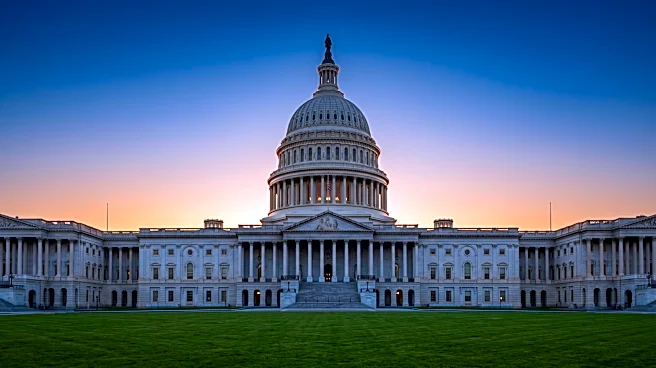
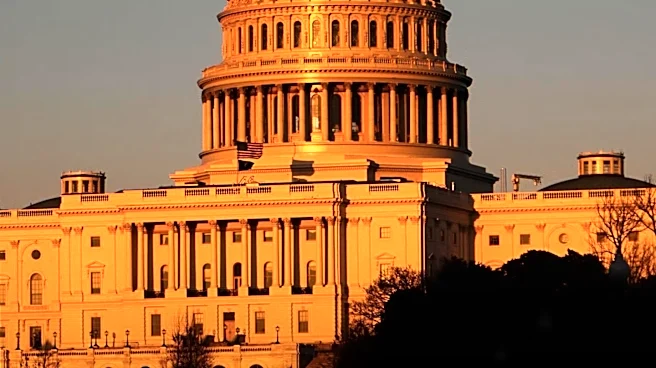
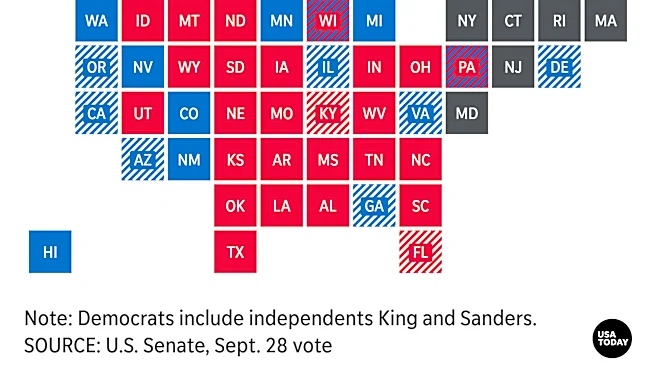
As Election Day approaches, Congress is grappling with the challenge of balancing legislative duties with campaigning, leading to potential delays in critical policy decisions. The Senate decided to remain in Washington D.C. for the week to address pending
issues, including discussions around diesel fuel costs and permitting for energy and data center projects. However, the House of Representatives has already adjourned, making it difficult to pass any significant legislation. A college sports renovation bill, sponsored by Senator Ted Cruz, is slated for a final vote in the Senate, despite opposition from some Democrats and the Congressional Black Caucus who argue it disadvantages Black college athletes. Additionally, the confirmation of numerous presidential nominees remains in limbo, with many positions in the Defense Department and other agencies still vacant.
Why It's Important?
The ongoing struggle between governing and campaigning has significant implications for U.S. policy and governance. The inability to pass key legislation, such as those related to energy permitting or the college sports bill, can stall progress on critical national issues and impact various sectors. Delays in confirming presidential nominees leave important government positions unfilled, potentially affecting the efficiency and effectiveness of federal agencies, including national security and economic departments. This political gridlock highlights the challenges of a divided Congress and the impact of election cycles on legislative productivity. The outcome of these stalled processes could influence economic stability, regulatory environments, and the overall functioning of the federal government, affecting businesses, industries, and citizens across the nation.
What's Next?
The Senate is expected to proceed with a final vote on Senator Ted Cruz’s college sports renovation bill. However, its passage through the House remains uncertain due to existing opposition. The confirmation of presidential nominees is likely to be pushed into a lame-duck session or even into the next Congress, potentially requiring re-nomination if not addressed before the end of the current term. Discussions on major issues like AI security and national defense funding are also anticipated to become lame-duck issues or be deferred until 2027. The upcoming elections will heavily influence the legislative landscape, with potential changes in congressional control impacting the viability of current bills and the priorities of the next legislative session. Stakeholders, including businesses and advocacy groups, will be closely monitoring these developments for their potential impact.
Beyond the Headlines
The current congressional dynamic underscores a deeper tension within the U.S. political system: the inherent conflict between the continuous cycle of elections and the need for sustained, long-term governance. This tension often leads to legislative paralysis, particularly in the months leading up to a major election, as lawmakers prioritize re-election campaigns over bipartisan compromise. The debate surrounding the college sports bill, with its racial equity implications, also highlights how seemingly niche legislation can become a battleground for broader social and political issues. Furthermore, the delay in confirming nominees points to a systemic issue of political polarization affecting the operational capacity of the executive branch. These trends collectively contribute to a perception of governmental inefficiency and can erode public trust, impacting the nation's ability to address pressing challenges effectively.