







What's Happening?
The White House has dismissed reports of a draft memorandum of understanding between the U.S. and Iran as a 'complete fabrication.' The alleged memorandum, originating from Tehran's state media, claimed the U.S. proposed withdrawing forces and lifting
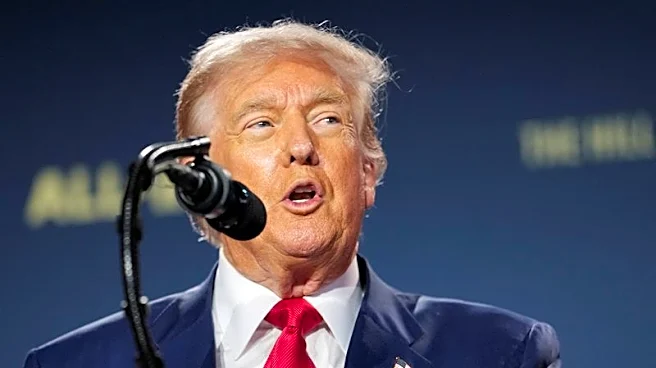
a naval blockade in exchange for Iran reopening the Strait of Hormuz. President Trump stated that Iran is 'negotiating on fumes' and miscalculated by thinking they could out-wait his administration's efforts to curb Iran's nuclear ambitions. Trump emphasized that no easing of sanctions or financial offers would be made until Iran meets U.S. demands. The President also highlighted the economic struggles Iran faces, including high inflation and a devalued currency, as factors pressuring Tehran to negotiate.
Why It's Important?
The denial of the reported draft framework underscores the ongoing tensions between the U.S. and Iran, particularly concerning nuclear capabilities and regional security. The situation reflects the broader geopolitical dynamics in the Middle East and the U.S.'s strategic interests in maintaining control over critical waterways like the Strait of Hormuz. The White House's firm stance on sanctions and military presence signals a continued hardline approach, which could influence diplomatic relations and regional stability. The outcome of these negotiations could have significant implications for international trade, energy markets, and global security.
What's Next?
The U.S. is likely to continue diplomatic efforts through mediators while maintaining pressure on Iran through sanctions and military presence. The White House's rejection of the reported memorandum suggests that any future agreements will require substantial concessions from Iran. The international community will closely monitor the situation, as any escalation or resolution could impact global oil prices and regional alliances. President Trump's administration may face domestic and international scrutiny over its handling of the situation, particularly as it relates to broader foreign policy objectives.