








What's Happening?
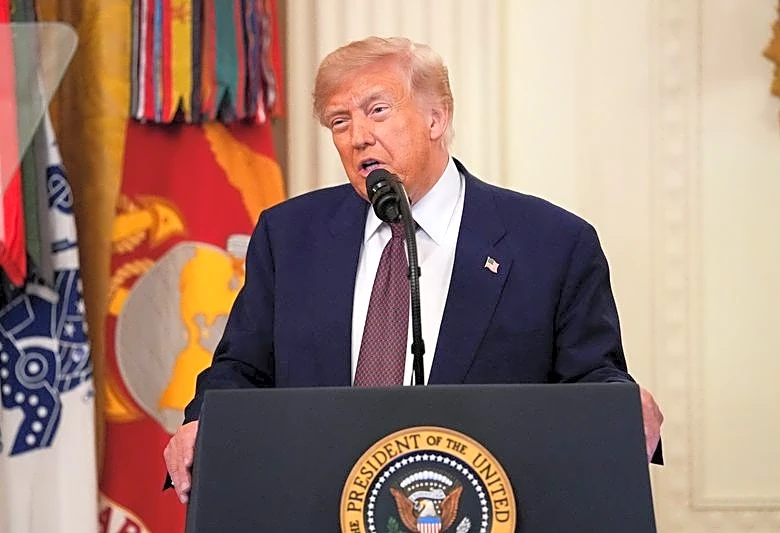
President Trump has signed a new memorandum of understanding with Iran, offering military and economic concessions in exchange for Iran's promise not to develop or buy nuclear weapons. The deal has been criticized for heavily favoring Iran, with 13 of its
14 provisions benefiting Tehran. The memorandum calls for 60 days of negotiations, but skepticism remains about Iran's sincerity and the potential for a comprehensive nuclear agreement. The deal follows a costly military campaign against Iran, which has left the U.S. with fewer concrete nonproliferation guarantees than previous agreements.
Why It's Important?
The new deal with Iran has significant implications for U.S. foreign policy and regional stability. Critics argue that the concessions granted to Iran undermine U.S. leverage and fail to address the broader security concerns posed by Iran's missile and proxy capabilities. The situation highlights the challenges of negotiating with regimes that have historically resisted diplomatic efforts and the potential risks of offering significant inducements without securing concrete commitments. The deal's reception may impact U.S. relations with allies and influence future diplomatic strategies.
What's Next?
The outcome of the 60-day negotiation period will be crucial in determining the success of the new deal. Continued skepticism about Iran's intentions and the potential for renewed hostilities remain significant concerns. The U.S. may need to explore alternative strategies to ensure compliance and address the broader security challenges posed by Iran. The situation underscores the importance of maintaining a balanced approach that combines diplomatic engagement with strategic pressure to achieve long-term stability.