






What's Happening?
Food prices in the U.S. have surged due to the closure of the Strait of Hormuz, a critical passage for global oil supplies. The conflict with Iran has led to increased oil prices, which ripple through the economy, affecting the food system reliant on natural
gas for fertilizer and diesel for transportation. The closure has exacerbated existing inflationary pressures from previous economic shocks, including the COVID-19 pandemic and geopolitical tensions. The U.S. administration has attempted to stabilize prices by releasing oil from strategic reserves, but the impact is limited given the scale of the disruption.
Why It's Important?
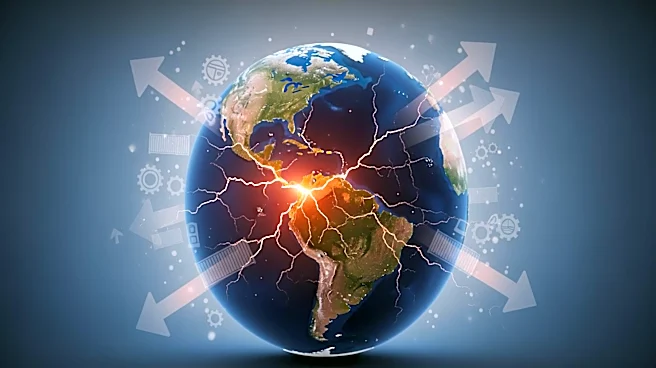
The rise in food prices highlights the vulnerability of global supply chains to geopolitical conflicts. The Strait of Hormuz is a vital artery for oil transportation, and its closure has significant implications for energy costs and food production. Higher oil prices increase transportation and production costs, leading to higher consumer prices. This situation underscores the interconnectedness of global markets and the need for diversified supply chains to mitigate risks. The ongoing conflict with Iran adds uncertainty to economic forecasts, affecting consumer confidence and spending.
What's Next?
The U.S. may continue to release oil from reserves to manage short-term price spikes, but long-term solutions require diplomatic efforts to reopen the Strait of Hormuz. Policymakers might explore alternative energy sources and supply routes to reduce dependency on volatile regions. The agricultural sector may need to adapt to higher input costs, potentially affecting crop yields and food availability. Stakeholders will watch for developments in the Iran conflict and global energy policies to anticipate future market conditions.