
What's Happening?
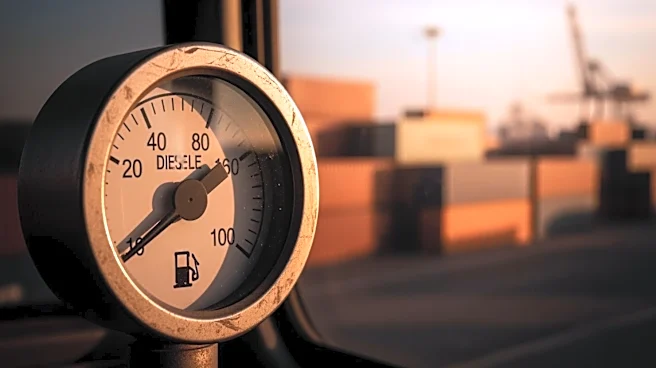
Atif Ikram Sheikh, President of the Federation of Pakistan Chambers of Commerce & Industry (FPCCI), has called for the implementation of a safety net for Pakistan's export sectors. This call comes in response to the high prices of High-Speed Diesel (HSD),
which are threatening the global competitiveness of the country's flagship export industries. Despite a recent reduction in petrol prices, Sheikh argues that the relief is insufficient to ensure macroeconomic stability. The FPCCI emphasizes the need for a dedicated safety net to prevent de-industrialization and protect the export sector from the adverse effects of high freight and logistics costs. The organization highlights the challenges faced by Small and Medium Enterprises (SMEs), which are experiencing a liquidity crisis due to increased transportation charges and production overheads.
Why It's Important?
The high cost of diesel and operational expenses pose a significant threat to Pakistan's export sectors, which are crucial for the country's economic stability. The FPCCI's call for a safety net underscores the urgency of addressing these challenges to prevent factory closures, job losses, and a decline in foreign exchange earnings. The situation is exacerbated by the fact that regional competitors like India, Bangladesh, China, and Vietnam have managed their energy crises more effectively, putting Pakistani exporters at a disadvantage. The proposed safety net, including the suspension of the Petroleum Development Levy (PDL) and a transition to alternative energy sources, is seen as vital for maintaining the competitiveness of Pakistan's export industries.
What's Next?
The FPCCI is urging a consultative dialogue with the Ministry of Finance, the Ministry of Commerce, and the Ministry of Petroleum to develop a strategic plan to protect the export sector. This dialogue aims to address the immediate challenges faced by exporters and ensure long-term economic security. The FPCCI's leadership stresses that safeguarding the export sector is not only an industrial priority but also a matter of national economic security. The outcome of these discussions could lead to policy changes that provide relief to exporters and help stabilize the country's economy.