






What's Happening?
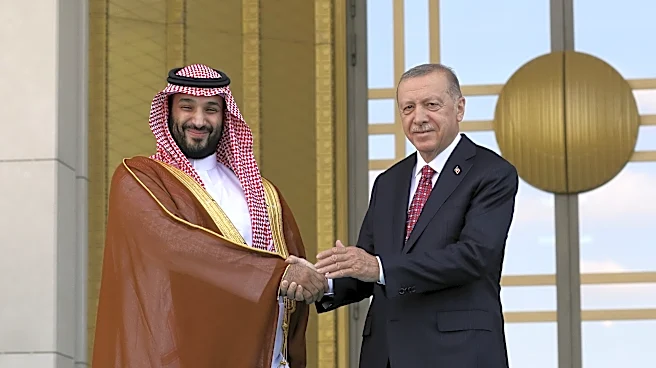
As Saudi Arabia considers joining the Abraham Accords, Israel is concerned about the kingdom's potential development of uranium enrichment capabilities. The agreement under discussion does not require Saudi Arabia to adopt the International Atomic Energy
Agency's Additional Protocol, which allows for more intrusive inspections. This differs from the UAE's agreement, which renounced uranium enrichment. Israel fears that allowing Saudi Arabia to enrich uranium could lead to a nuclear arms race in the Middle East, with other countries like Turkey and Egypt potentially seeking similar capabilities.
Why It's Important?
The potential for Saudi Arabia to develop nuclear capabilities poses a significant strategic challenge for Israel and the broader Middle East. It could lead to a regional arms race, undermining efforts to prevent nuclear proliferation. The situation highlights the delicate balance between pursuing diplomatic normalization and ensuring regional security. If Saudi Arabia gains nuclear capabilities, it could shift the power dynamics in the region, affecting alliances and increasing tensions.
What's Next?
Israel may push for a diplomatic solution that allows Saudi Arabia to pursue civilian nuclear energy without enrichment capabilities. This could involve negotiations with the U.S. and other allies to ensure strict oversight and prevent a nuclear arms race. The outcome of these discussions could significantly impact the future of Middle East diplomacy and security.