




What's Happening?
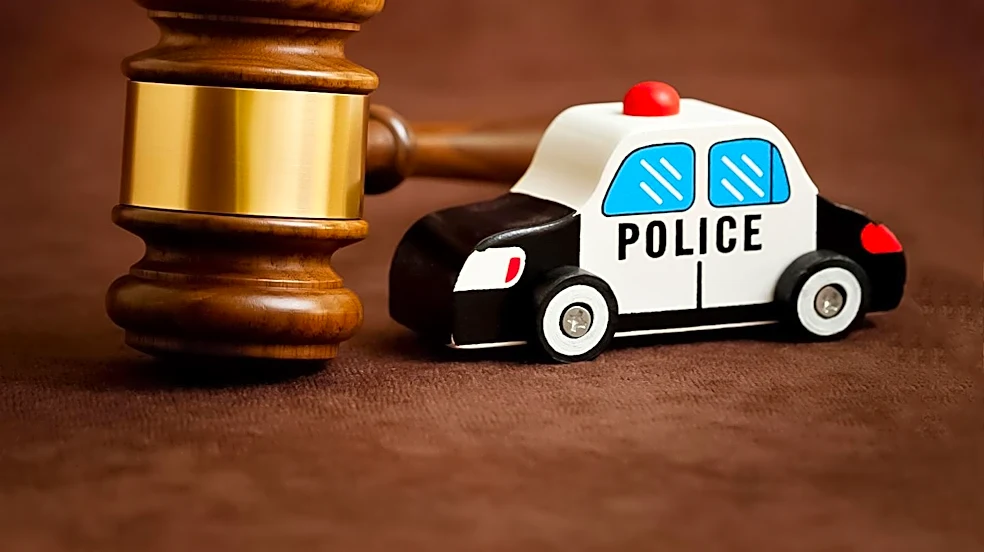
U.S. Supreme Court Justices Sonia Sotomayor and Neil Gorsuch have jointly expressed "serious concerns" regarding the scope of police power in cases involving the seizure of vehicles for unpaid parking tickets. This concern was articulated in a statement
respecting the denial of certiorari in the case of O'Donnell v. City of Chicago. The case challenged Chicago's practice of impounding and selling a driver's car after two unpaid parking tickets and retaining the proceeds without offsetting the ticket debt or refunding any surplus. The petitioners argued this practice constituted an unconstitutional taking under the Fifth Amendment's Takings Clause. While the Court denied review of the case, Sotomayor, joined by Gorsuch, stated that she has "serious concerns about that conclusion" reached by the Seventh Circuit, which had upheld the practice as an exercise of police power. Sotomayor emphasized the need for courts to "carefully and narrowly define the circumstances in which the State's exercise of its police powers are held exempt from the just compensation requirement."
Why It's Important?
The joint statement from Justices Sotomayor and Gorsuch, representing both liberal and conservative wings of the Supreme Court, signals a bipartisan concern about potential government overreach and the protection of constitutional rights against state police powers. This rare alignment highlights a shared commitment to safeguarding individual property rights and ensuring due process, even in cases involving minor infractions. The Chicago policy, which allows for the seizure and sale of vehicles for as few as two unpaid parking tickets, has significant implications for low-income individuals who rely on their vehicles for work and daily life. The practice can lead to devastating financial consequences, including the loss of a primary asset and continued debt. The justices' concerns underscore the ongoing debate about the balance between municipal revenue collection and the constitutional protections afforded to citizens, particularly the Fifth Amendment's Takings Clause, which prohibits the taking of private property for public use without just compensation.
What's Next?
Although the Supreme Court denied review of O'Donnell v. City of Chicago, Justice Sotomayor indicated that the issue would "benefit from further percolation" in lower courts. This suggests that while this specific case was not deemed the best vehicle for resolution, the constitutional questions surrounding vehicle seizures and police power are likely to be revisited. The alignment of Sotomayor and Gorsuch could encourage other petitioners to bring similar cases to the Supreme Court, potentially leading to a future review when a more suitable case arises. Lower courts will likely take note of the justices' concerns, potentially leading to more rigorous scrutiny of municipal policies that involve property seizures for minor debts. The ongoing circuit split on this issue further indicates that a definitive ruling from the Supreme Court may eventually be necessary to provide clarity on the extent to which state police powers are immune to takings claims.
Beyond the Headlines
This issue extends beyond parking tickets, touching upon broader themes of economic justice and the disproportionate impact of certain municipal policies on vulnerable populations. The practice of seizing and selling vehicles for minor debts can trap individuals in cycles of poverty, as the loss of a car can impede employment and access to essential services. The justices' statement implicitly questions whether such policies serve primarily as revenue generation mechanisms rather than legitimate exercises of public safety enforcement. It also highlights the tension between local government autonomy and federal constitutional protections. The bipartisan concern from the Supreme Court suggests a potential shift towards greater judicial oversight of municipal forfeiture practices, which could lead to significant reforms in how cities manage and enforce minor infractions, ultimately impacting the economic stability and constitutional rights of many citizens.