




What's Happening?
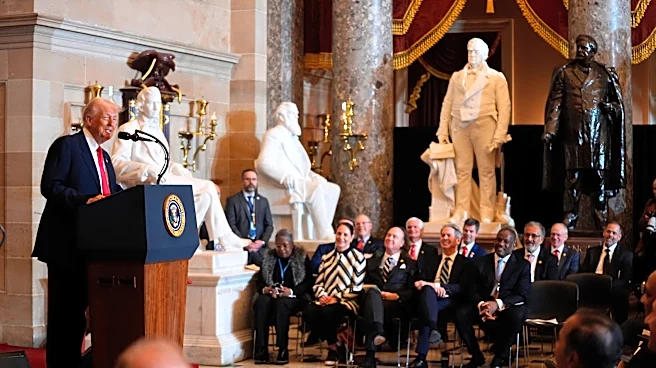
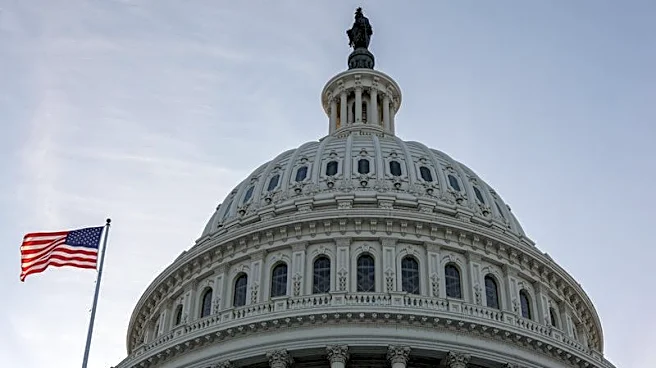
The US House of Representatives narrowly defeated a resolution aimed at curbing President Trump's military actions in Iran, with a tied vote of 212-212. The resolution, led by Democrats, sought to require congressional authorization for continued hostilities,
reflecting concerns over the constitutional authority to declare war. Despite some Republican support, the resolution failed to pass, marking the third such attempt this year. The conflict with Iran, intensified by joint US-Israeli airstrikes, has led to increased domestic costs for goods and services, fueling further debate. The White House maintains that Trump's actions are within his rights as commander-in-chief to protect national security.
Why It's Important?
The failure of the resolution underscores the ongoing tension between the executive and legislative branches over war powers. This issue is critical as it touches on constitutional checks and balances, with potential implications for US foreign policy and military engagement. The narrow vote reflects a divided Congress, where even slight shifts in support could alter the outcome of future resolutions. The economic impact of the conflict, seen in rising prices, adds pressure on lawmakers to address the situation. The debate also highlights partisan divides, with accusations of political theatrics influencing the discourse.
What's Next?
With the resolution's failure, President Trump retains the ability to conduct military operations in Iran without explicit congressional approval. However, the close vote suggests continued efforts by Democrats to challenge this authority. Future resolutions may arise, especially as economic pressures mount and public opinion shifts. The administration will likely continue to justify its actions under the commander-in-chief powers, while opponents may seek alternative legislative or judicial avenues to assert congressional oversight.