



What's Happening?
The United Nations World Food Programme (WFP) is intensifying its preparedness and response plans as the El Niño weather pattern threatens to exacerbate food insecurity globally. The WFP's analysis indicates that the 2026-2027 El Niño could push an additional
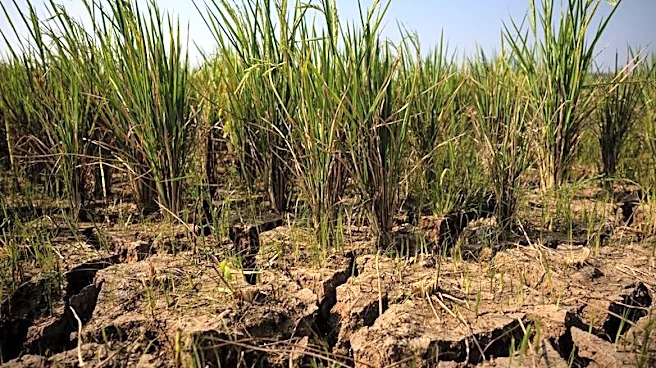
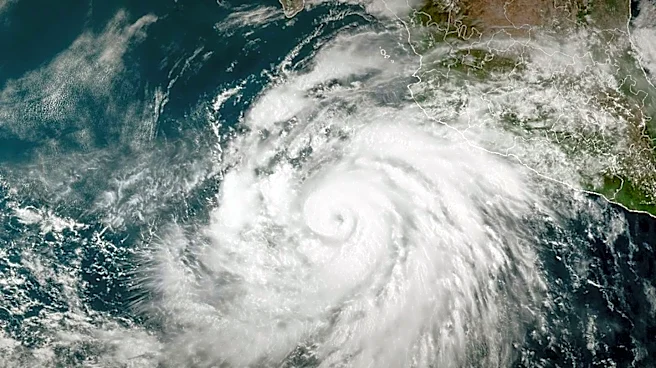
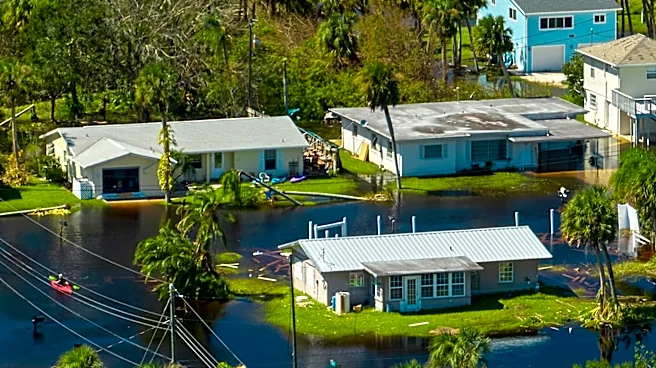
49 million people into acute food insecurity by the end of 2027. The agency is already implementing early response efforts in several countries, including South Sudan, Chad, and Guatemala, to mitigate the impacts of anticipated floods, droughts, and extreme temperatures. These efforts include anticipatory action plans and financial mechanisms to support vulnerable communities.
Why It's Important?
El Niño's potential impact on food security is significant, with millions at risk of hunger due to altered weather patterns affecting agricultural productivity. The WFP's proactive measures are crucial in preventing a humanitarian crisis by reducing the need for emergency responses and protecting livelihoods. The agency's anticipatory actions demonstrate the importance of early intervention in managing climate-related risks. The projected increase in food insecurity highlights the need for international cooperation and support to address the challenges posed by climate change and ensure food security for vulnerable populations.