







What's Happening?
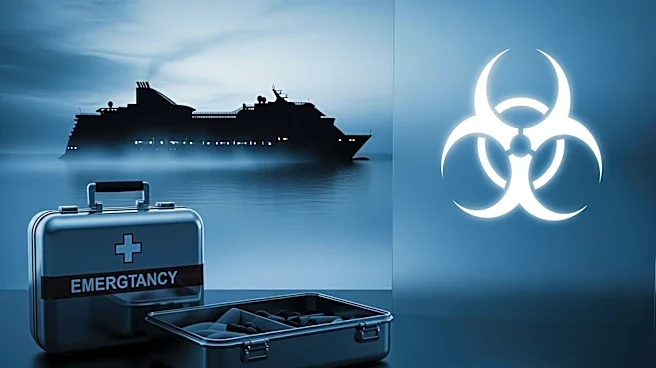
The Centers for Disease Control and Prevention (CDC) is facing criticism for its muted response to a hantavirus outbreak on a cruise ship involving American passengers. The outbreak, which began with a 70-year-old Dutch man who fell ill and died, has
not escalated significantly due to the virus's limited transmissibility compared to diseases like COVID-19. However, public health experts have noted the CDC's lack of immediate action, such as dispatching disease investigators or holding public briefings. The CDC's involvement only intensified late Friday, with plans to send teams to Spain's Canary Islands and Offutt Air Force Base in Nebraska to manage the situation. The agency also issued a health alert to U.S. doctors about potential imported cases. This response contrasts with the CDC's historically proactive role in global health crises, raising concerns about its current capacity and influence.
Why It's Important?
The CDC's response to the hantavirus outbreak is significant as it highlights potential weaknesses in the U.S. public health system's ability to handle international health emergencies. The agency's delayed action and limited communication could undermine public trust and preparedness for future outbreaks. The situation also reflects broader changes in U.S. global health policy under the Trump administration, which has focused on bilateral agreements rather than multilateral cooperation through organizations like the World Health Organization (WHO). This shift may impact the U.S.'s ability to effectively manage global health threats, potentially leaving the country vulnerable to future pandemics. The criticism from public health experts underscores the need for a robust and transparent public health infrastructure to ensure national and global health security.
What's Next?
The CDC is expected to continue its efforts to manage the hantavirus outbreak by coordinating with international and federal agencies. The teams dispatched to Spain and Nebraska will play a crucial role in assessing and monitoring the health of American passengers. The agency's future actions will likely focus on restoring its reputation and effectiveness in handling global health emergencies. This may involve increased transparency, improved communication strategies, and rebuilding partnerships with international health organizations. The outcome of these efforts will be critical in determining the CDC's role in future health crises and its ability to protect public health both domestically and internationally.
Beyond the Headlines
The CDC's response to the hantavirus outbreak raises questions about the ethical and operational challenges of managing health crises in a politically charged environment. The agency's diminished role may reflect broader issues of resource allocation, political influence, and strategic priorities within the U.S. public health system. The situation also highlights the importance of maintaining scientific integrity and independence in public health decision-making. As the CDC works to rebuild its standing, it must navigate these complex dynamics to ensure effective and equitable health interventions. The long-term implications of this outbreak may influence future policy decisions and the structure of the U.S. public health system.