







What's Happening?
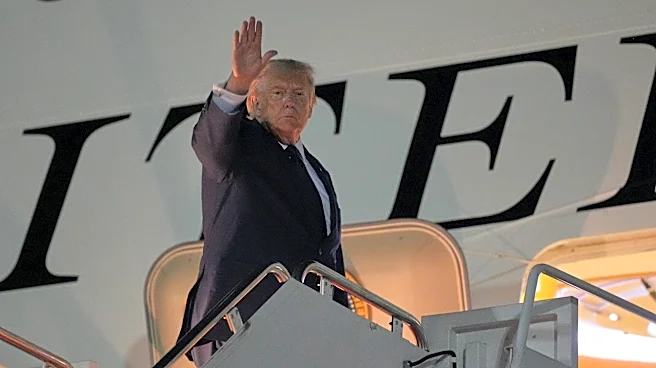
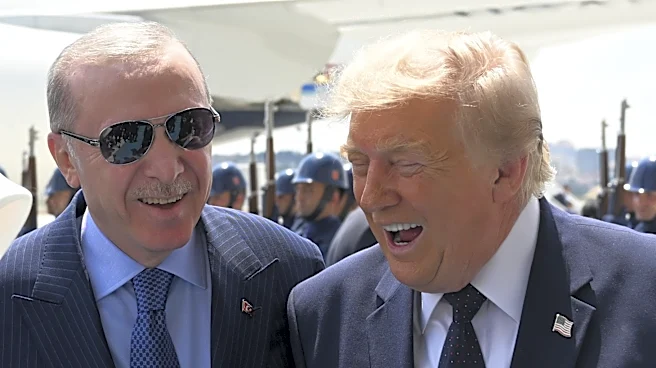
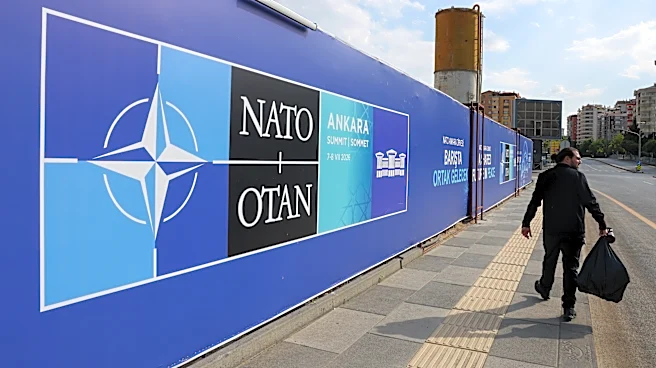
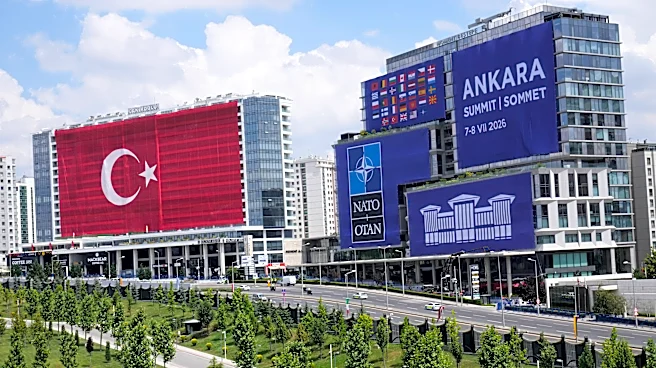
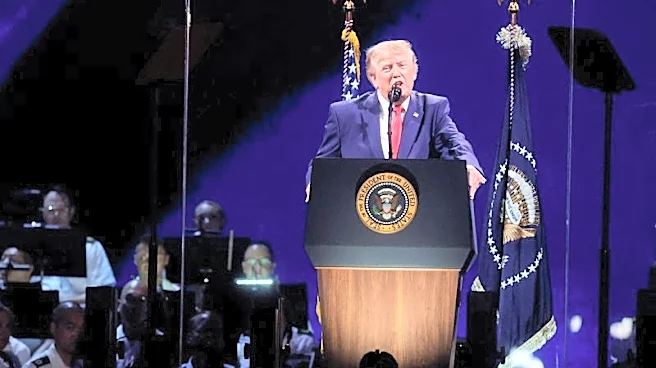
During a NATO summit in Ankara, Turkey, President Trump reiterated his controversial stance that the United States should control Greenland, a position that has caused tension within the NATO alliance. This statement came as NATO announced significant
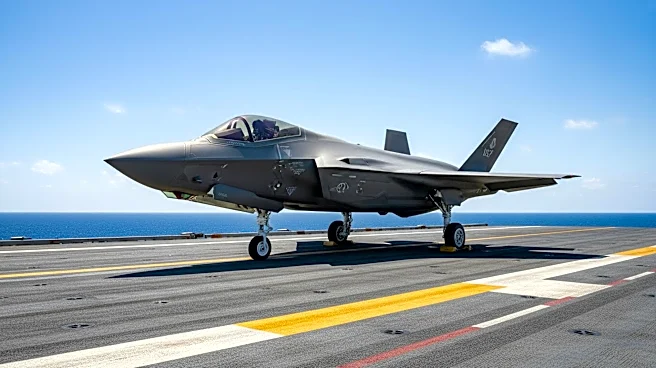
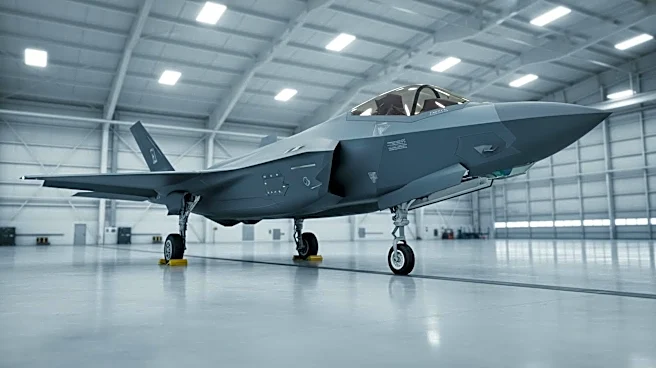
arms deals to demonstrate its military capabilities and address President Trump's concerns about defense spending. The summit, hosted by Turkish President Recep Tayyip Erdogan, also saw the U.S. lifting sanctions on Turkey related to its purchase of a Russian missile defense system, a move that could facilitate Turkey's re-entry into the F-35 fighter jet program. The arms deals, including a contract with Swedish manufacturer Saab for new surveillance aircraft, are part of NATO's efforts to bolster its defense capabilities.
Why It's Important?
The developments at the NATO summit highlight ongoing tensions within the alliance, particularly regarding defense spending and territorial control. President Trump's remarks about Greenland underscore a shift in U.S. foreign policy that could strain relations with European allies. The lifting of sanctions on Turkey and potential sale of F-35 jets could alter the balance of military power in the region, affecting U.S. relations with other NATO members and countries like Israel. The arms deals signify NATO's commitment to enhancing its military readiness, which is crucial in the context of global security challenges, including the ongoing conflicts involving Russia and Iran.
What's Next?
The NATO summit is expected to continue discussions on defense spending and military cooperation. The U.S. decision to lift sanctions on Turkey may lead to further negotiations regarding Turkey's role in the F-35 program. European allies will likely seek clarity on U.S. military commitments in Europe, especially in light of President Trump's comments on Greenland. The outcomes of these discussions could influence NATO's strategic direction and its ability to address emerging security threats.