


What's Happening?
Residents in Southern California are experiencing an unusual increase in mosquito activity during the winter months. Typically, mosquito season in the region starts in May and ends in October, but warmer temperatures and recent rainfall have extended
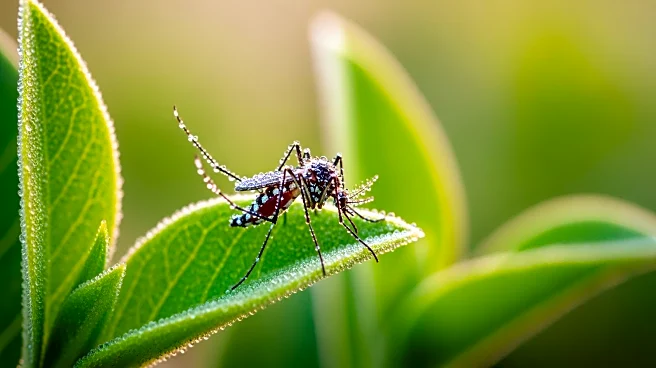
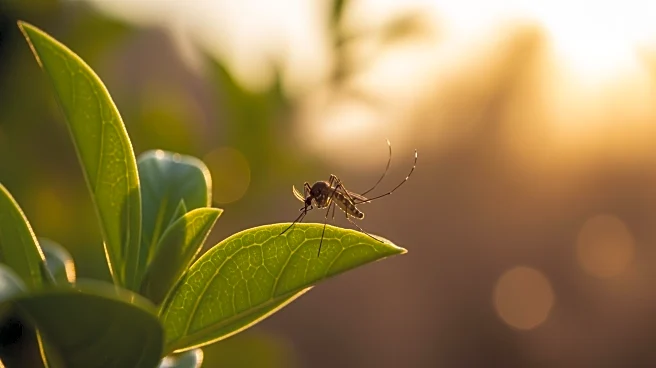
the season. Vector control districts in Los Angeles, Orange, and Ventura counties report a significant rise in mosquito populations, attributed to the invasive Aedes aegypti species. These mosquitoes thrive in wet conditions and have adapted to the local climate, leading to increased biting incidents. The combination of unseasonably warm weather and standing water from recent rains has created ideal breeding conditions for mosquitoes.
Why It's Important?
The unexpected surge in mosquito activity poses public health concerns, as mosquitoes are known carriers of diseases such as West Nile virus. The presence of the invasive Aedes aegypti, which prefers human hosts, increases the risk of disease transmission. This development highlights the impact of climate variability on pest populations and the potential for extended mosquito seasons. It underscores the need for enhanced vector control measures and public awareness to mitigate health risks. The situation also raises questions about the long-term effects of climate change on insect behavior and public health strategies.
What's Next?
Local vector control agencies are considering extending their surveillance and control efforts into the winter months to better manage mosquito populations. Residents are advised to eliminate standing water on their properties to reduce breeding sites. The agencies plan to monitor weather patterns closely, as future mosquito activity will depend on spring rainfall and temperatures. Continued public education on preventive measures and the use of insect repellent will be crucial in managing the mosquito population and minimizing health risks.