
What's Happening?
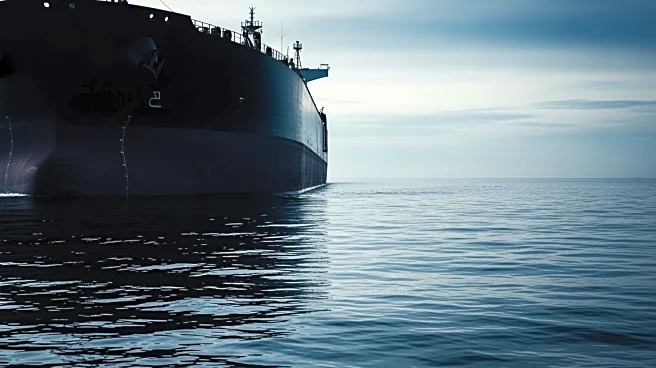
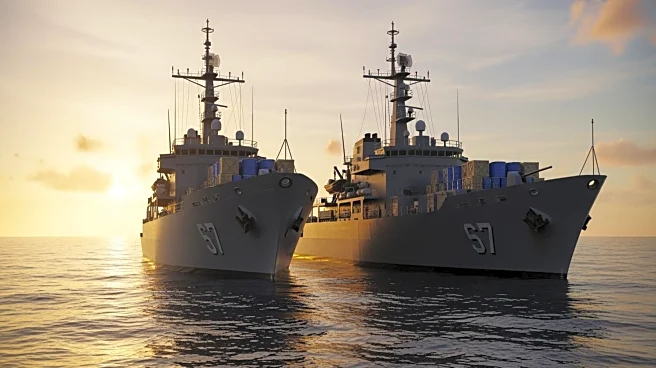
Two Mexican Navy ships have arrived in Cuba, carrying significant humanitarian aid as the island faces an escalating energy crisis due to a U.S. blockade. The blockade, intensified by President Trump's
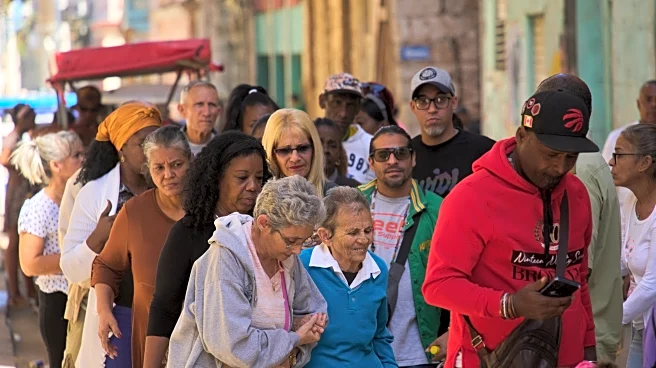
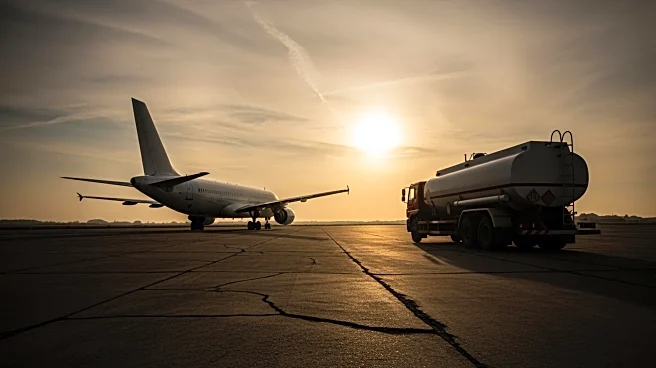
recent threats of tariffs on countries supplying oil to Cuba, has led to severe energy rationing on the island. The Mexican government dispatched the ships with over 800 tons of essential supplies, including food and hygiene products. Mexican President Claudia Sheinbaum emphasized the importance of fostering dialogue to ensure Cuba can receive necessary oil supplies without external sanctions. The energy crisis has already impacted various sectors in Cuba, including transportation, healthcare, and tourism, with airlines like Air Canada suspending flights due to fuel shortages.
Why It's Important?
The delivery of humanitarian aid by Mexico highlights the geopolitical tensions surrounding U.S. sanctions on Cuba. The blockade's impact on Cuba's energy supply underscores the broader implications of international sanctions on vulnerable economies. The crisis affects not only Cuba's domestic sectors but also international relations, as countries like Mexico navigate diplomatic channels to provide support. The situation illustrates the complex interplay between U.S. foreign policy and regional stability in Latin America. The aid delivery could set a precedent for other nations considering humanitarian interventions in politically sensitive contexts.
What's Next?
As the energy crisis continues, Cuba may seek further international support to mitigate the blockade's effects. The Mexican government has indicated plans to send additional aid, suggesting ongoing diplomatic efforts to address the situation. The U.S. may face increased pressure from international communities to reconsider its sanctions policy, especially if the humanitarian impact worsens. The crisis could also prompt discussions within the U.S. about the effectiveness and ethical implications of using economic sanctions as a foreign policy tool.
Beyond the Headlines
The energy crisis in Cuba raises ethical questions about the humanitarian impact of economic sanctions. While intended to pressure governments, such measures often disproportionately affect civilian populations, leading to shortages of essential goods and services. The situation in Cuba could spark broader debates about the balance between political objectives and humanitarian considerations in international relations. Additionally, the crisis may influence future U.S. policy decisions regarding sanctions and their role in global diplomacy.