



What's Happening?
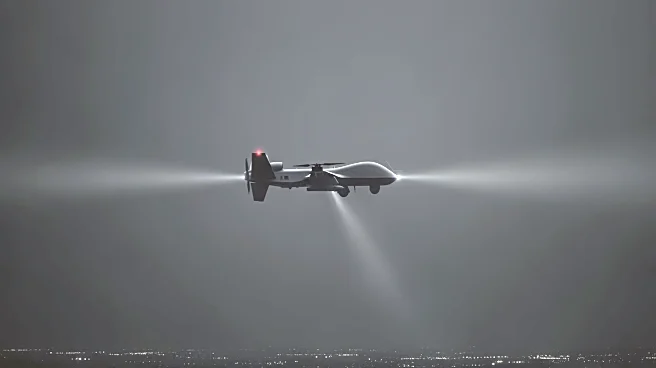
President Trump has announced that the United States has conducted military strikes against ISIS targets in Nigeria. This development comes as part of ongoing efforts to combat terrorism and stabilize regions affected by ISIS activities. The announcement
was made during a morning news briefing, which also included a retrospective on Congress' challenging year. The briefing highlighted the legislative body's struggles and achievements over the past year, providing context to the current political climate. Additionally, despite low consumer confidence, holiday spending is projected to remain strong, indicating a complex economic landscape.
Why It's Important?
The U.S. military action against ISIS in Nigeria underscores the ongoing global fight against terrorism and the strategic importance of international military cooperation. This move may influence U.S. foreign policy and defense strategies, potentially affecting diplomatic relations with Nigeria and other nations involved in counter-terrorism efforts. Domestically, the review of Congress' year reflects on the legislative challenges and successes, which could impact future policy-making and political dynamics. The economic outlook, with strong holiday spending despite low consumer confidence, suggests resilience in consumer behavior, which could have implications for retail markets and economic forecasts.
What's Next?
Following the military strikes, there may be increased diplomatic engagements between the U.S. and Nigeria to assess the impact and plan further actions against ISIS. Congress is likely to continue addressing legislative challenges, with potential shifts in priorities based on the year's review. Economically, analysts will be watching consumer spending trends closely to gauge the health of the retail sector and broader economic conditions. Stakeholders in defense, politics, and business will be monitoring these developments to adapt strategies accordingly.