







What's Happening?
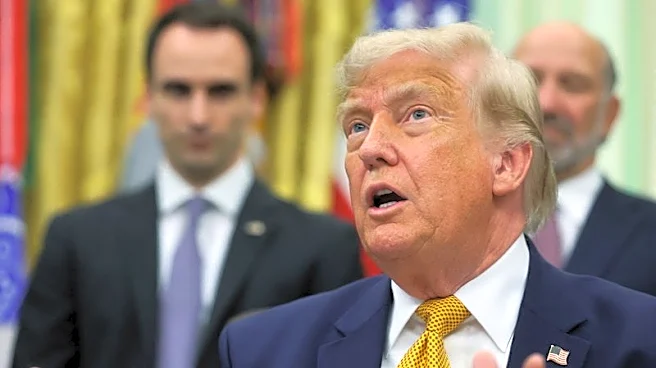
President Trump is positioning himself as a central figure in the upcoming 250th anniversary of American independence, with competing groups vying for influence over the celebrations. The Smithsonian's National Museum of American History is showcasing
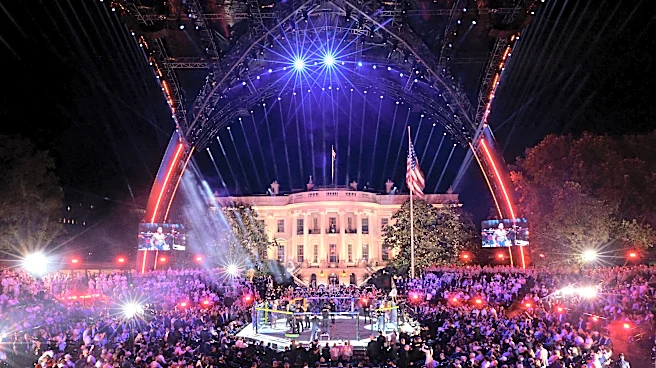
an exhibit titled 'In Pursuit of Life, Liberty and Happiness,' which highlights the nation's historical challenges and divides. The anniversary has sparked the creation of Freedom 250, an organization aligned with the White House, which rivals the bipartisan America 250 group founded by Congress. The political undertones of these events have led to artists withdrawing from performances at the 'Great American State Fair,' where Trump is scheduled to speak. The celebrations will feature a split-screen event on July Fourth, with America 250 hosting a concert in Los Angeles, while Trump plans a rally on the National Mall.
Why It's Important?
The 250th anniversary of American independence is a significant milestone that reflects on the nation's history and its current political climate. The involvement of President Trump and the creation of rival groups highlight the ongoing political polarization in the U.S. These events could influence public perception of national unity and the role of political figures in shaping historical narratives. The celebrations also underscore the challenges of organizing national events in a divided political landscape, where even cultural moments like the Super Bowl halftime show face political scrutiny. The outcome of these events may impact public sentiment and the political landscape leading up to future elections.
What's Next?
As the anniversary approaches, the focus will be on how these events unfold and the public's reaction to them. The competing narratives from Freedom 250 and America 250 will likely continue to shape the discourse around national unity and historical commemoration. Stakeholders, including political leaders and cultural organizations, will need to navigate the complexities of organizing inclusive celebrations that resonate with a diverse population. The events may also prompt discussions on the role of political figures in national celebrations and the importance of maintaining a non-partisan approach to historical commemorations.