


What's Happening?
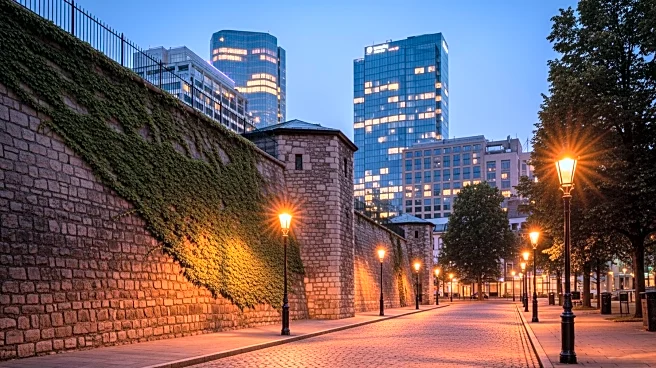
Jerusalem is experiencing significant urban renewal, with Mayor Moshe Lion and the District Planning Committee approving the construction of high-rise towers throughout the city. This development is part of a strategy to accommodate an anticipated influx
of immigrants. However, the rapid urbanization has led to concerns about overcrowding and a decline in the quality of life. The city, already the largest in Israel, is facing challenges such as increased property taxes and maintenance costs associated with new high-rise buildings. Many residents in older neighborhoods are upset about the loss of the city's unique character and the rising cost of living. The construction boom has also led to the closure of several businesses, as noise and redevelopment projects disrupt local commerce.
Why It's Important?
The urban renewal in Jerusalem highlights the broader issue of overtourism and its impact on local communities. As cities expand to accommodate more visitors and residents, the quality of life for existing inhabitants can suffer. In Jerusalem, the construction of high-rises is changing the city's landscape, potentially driving long-term residents away due to increased living costs and altered neighborhood dynamics. This situation reflects a global trend where popular destinations struggle to balance growth with preserving their cultural and historical identity. The economic implications are significant, as the cost of living rises and local businesses face challenges, potentially leading to job losses and economic displacement.
What's Next?
As Jerusalem continues to develop, the city may need to implement policies that address the concerns of its residents while managing growth. This could involve revisiting urban planning strategies to ensure that new developments are sustainable and inclusive. The local government might also consider measures to support small businesses affected by construction and to maintain affordable housing options. Stakeholders, including residents, business owners, and policymakers, will likely engage in ongoing discussions to find a balance between development and preserving the city's character.
Beyond the Headlines
The situation in Jerusalem raises ethical questions about urban development and the responsibility of city planners to consider the needs of all residents. The loss of cultural heritage and community identity in the face of modernization is a concern that extends beyond Jerusalem, affecting cities worldwide. The challenge lies in finding ways to accommodate growth without sacrificing the unique qualities that define a place. This issue also touches on broader themes of economic inequality and the right to the city, as long-term residents may feel marginalized by changes that prioritize new arrivals and tourists.