





What's Happening?
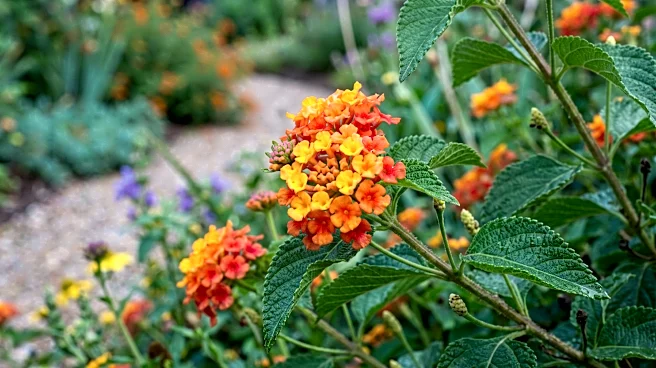
The Pollinator Haven Garden in Sanford, NC, managed by the N.C. Cooperative Extension, is currently showcasing what staff refer to as "Butterfly TV." This term describes the vibrant display of Lantana camara shrubs, which have experienced a significant
third flush of flowers following a transition from dry late-summer heat to crisp autumn nights and gentle rain. These ten-year-old Lantana specimens are attracting a diverse array of native bees, skipper butterflies, and other late-season pollinators, creating a spectacular and active natural scene. The article emphasizes the resilience and colorful nature of Lantana as a flowering shrub suitable for Central North Carolina gardens, while also noting the importance of understanding their growth habits and winter management for optimal health and to prevent invasive spread in milder coastal microclimates.
Why It's Important?
This phenomenon is important for several reasons, particularly in the context of environmental conservation and horticulture in the U.S. The robust activity of pollinators in the Pollinator Haven Garden underscores the critical role of specific plant species, like Lantana, in supporting local ecosystems and biodiversity. For gardeners and agricultural stakeholders in Central North Carolina, the success of these ten-year-old Lantanas provides valuable insights into long-term plant care, including pruning and management strategies for established perennials. Furthermore, the discussion of Lantana's invasive potential in coastal regions highlights the broader ecological considerations that come with plant selection, emphasizing the need for regional awareness to protect native habitats and wildlife, especially in fragile ecosystems like coastal sand dunes.
What's Next?
The N.C. Cooperative Extension plans to continue monitoring and managing the Pollinator Haven Garden, using its long-standing Lantana specimens as a living laboratory for horticultural education. Future efforts will likely focus on educating the public and local gardeners on best practices for cultivating Lantana, including appropriate pruning techniques and cultivar selection to ensure both aesthetic appeal and ecological responsibility. The Extension also aims to raise awareness about the plant's varying environmental impact across different microclimates within North Carolina, particularly concerning its invasive tendencies in coastal areas. This ongoing research and public outreach will help gardeners make informed decisions that support pollinator health while mitigating potential ecological risks.
Beyond the Headlines
Beyond the immediate visual appeal of "Butterfly TV," this initiative by the N.C. Cooperative Extension touches upon deeper themes of sustainable gardening and ecological stewardship. The longevity and resilience of the Lantana plants in the Pollinator Haven Garden serve as a testament to the potential for native and well-adapted non-native species to thrive and contribute to local biodiversity when properly managed. It also subtly highlights the ethical considerations in horticulture, where the beauty and hardiness of a plant must be balanced against its potential to become invasive in certain environments. This ongoing project encourages a more nuanced understanding of plant-ecosystem interactions, promoting a shift towards gardening practices that are both aesthetically pleasing and environmentally conscious, fostering a greater appreciation for the intricate balance of nature.