

What's Happening?
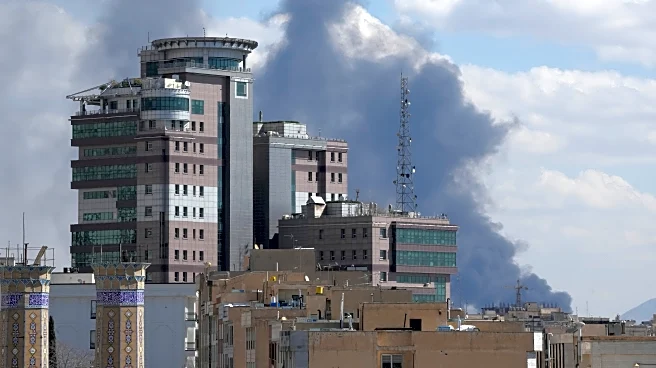
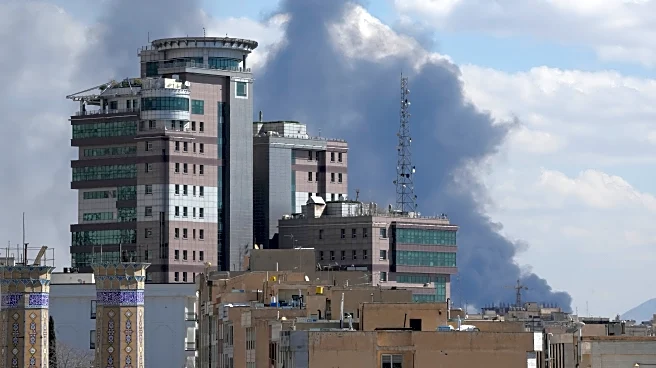
As tensions between the United States and Iran escalate, Gulf oil producers, particularly Saudi Arabia and the United Arab Emirates, are increasing their oil exports to mitigate potential supply disruptions. Saudi Arabia has ramped up its production and exports,
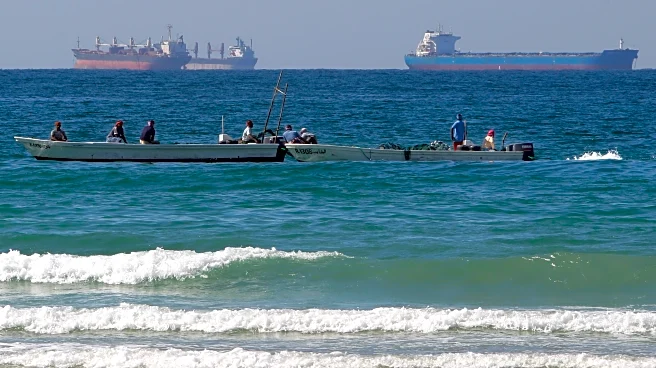
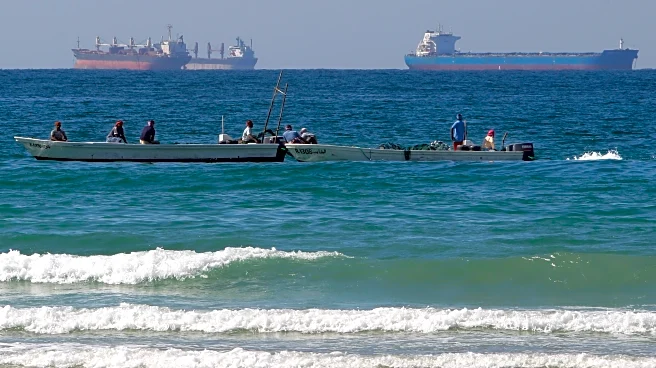
reaching about 7.3 million barrels per day in February, the highest since April 2023. This move is part of a contingency plan to counteract any disruptions in oil flow through the Strait of Hormuz, a critical chokepoint for global oil shipments. The UAE is also set to export additional volumes of its Murban crude in April. These actions are in response to the geopolitical risk premium that has pushed oil prices above $72 per barrel, nearing the highest levels since July. The Organization of the Petroleum Exporting Countries (OPEC+) is expected to consider a modest increase in production during its upcoming meeting.
Why It's Important?
The increase in oil exports by Gulf producers is a strategic move to stabilize the global oil market amid rising geopolitical tensions. By boosting exports, these countries aim to prevent a sharp spike in oil prices that could result from potential military escalations involving Iran. This strategy helps maintain a balance in the market, ensuring that prices remain firm without reaching levels that could harm global economic stability. The actions of Saudi Arabia and the UAE also highlight their role as key players in the global oil market, capable of influencing prices and supply dynamics. The situation underscores the interconnectedness of geopolitical events and energy markets, with significant implications for global economic stakeholders, including consumers and industries reliant on stable oil prices.
What's Next?
The upcoming OPEC+ meeting will be crucial in determining the next steps for oil production levels. The group is expected to discuss a potential increase in output to further stabilize the market. Additionally, the ongoing U.S.-Iran tensions will continue to be a significant factor influencing oil prices and production decisions. Market participants will closely monitor any developments in the geopolitical landscape, as well as the responses from major oil-consuming countries. The ability of Gulf producers to manage their spare capacity effectively will be critical in maintaining market stability and preventing excessive price volatility.