





What's Happening?
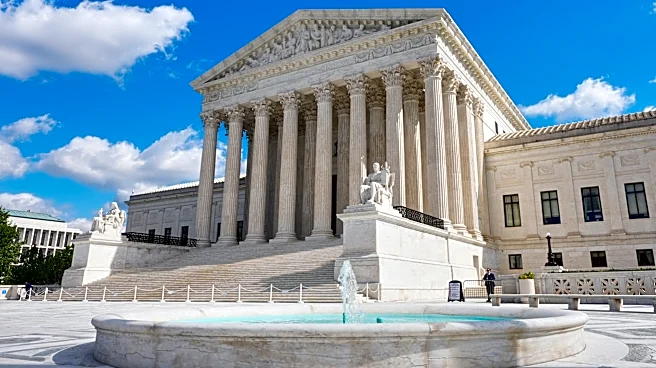
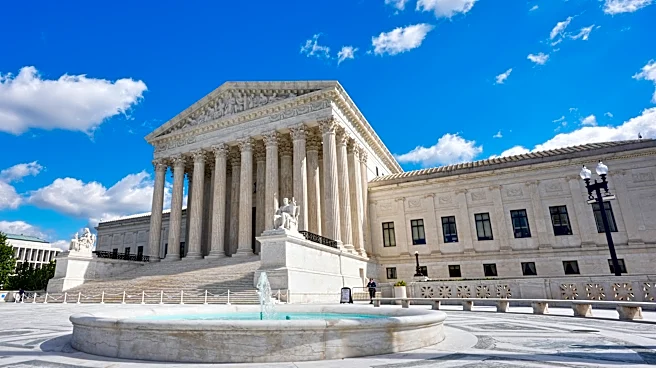
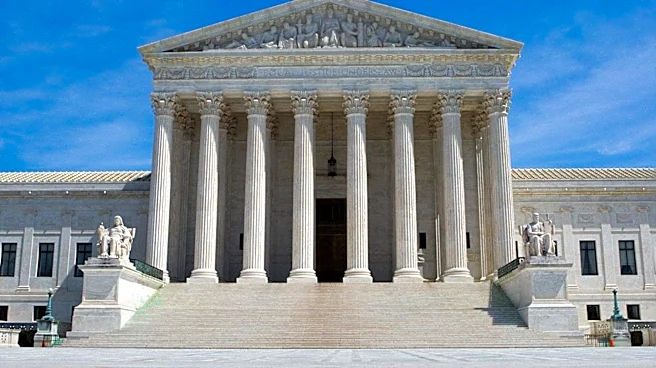
The Supreme Court is set to hear arguments in *Nielsen v. Watanabe* on November 9, a case that will determine the future of *Bivens* claims, which allow individuals to sue federal officers for constitutional violations. This comes at a time when the court
has increasingly restricted the scope of *Bivens* actions since 1980, often ruling that creating such remedies is the role of Congress, not the judiciary. The underlying case involves Kekai Watanabe, a prisoner who alleges he was denied medical care after suffering a broken tailbone, constituting an Eighth Amendment violation. Watanabe argues his case is directly governed by the 1980 precedent *Carlson v. Green*, which allowed a *Bivens* suit for an Eighth Amendment violation. However, the defendant, nurse Francis Nielsen, contends that *Bivens* should be overruled entirely, asserting that only Congress should create causes of action for damages against federal officers. The court's decision could either affirm the Ninth Circuit's allowance of the *Bivens* suit, distinguish *Carlson*, overrule *Carlson* but not *Bivens*, or completely overrule *Bivens*.
Why It's Important?
The outcome of *Nielsen v. Watanabe* carries significant implications for accountability of federal officers and the ability of individuals to seek redress for constitutional rights violations. If the Supreme Court further restricts or eliminates *Bivens* claims, it could leave individuals with no legal recourse for harms caused by federal agents, including those from agencies like ICE. This would effectively shield federal officers from civil liability under federal law, potentially reducing incentives for adherence to constitutional standards. The debate centers on the separation of powers, questioning whether the judiciary or Congress is responsible for providing remedies for constitutional infringements. A decision to severely limit or abolish *Bivens* would shift the burden entirely to Congress to legislate such remedies, which may not always be forthcoming, leaving many injured parties without compensation. This could have a chilling effect on civil liberties and the oversight of federal law enforcement and other government personnel.
What's Next?
The Supreme Court will hear oral arguments in *Nielsen v. Watanabe* on November 9. Following arguments, the justices will deliberate and issue a ruling, likely by the end of the current term. Potential outcomes range from a narrow ruling specific to Eighth Amendment claims in prison settings to a broad decision that could significantly curtail or eliminate the ability to sue federal officers for constitutional violations. Legal scholars and civil rights advocates will closely watch the proceedings, as the decision will clarify the extent to which federal courts can provide remedies for constitutional breaches. Depending on the ruling, there could be calls for congressional action to establish statutory remedies for constitutional violations by federal officers, especially if the court opts to restrict or overturn *Bivens*.
Beyond the Headlines
The ongoing erosion of *Bivens* claims reflects a broader judicial philosophy that emphasizes judicial restraint and deference to the legislative branch in creating causes of action. This trend raises fundamental questions about the role of the judiciary in safeguarding individual rights when Congress has not acted. The practical consequence of limiting *Bivens* is that victims of egregious constitutional violations by federal agents, such as those involving excessive force or unlawful detention, may find themselves without any effective legal avenue for compensation or accountability. This could lead to a perception of impunity for federal officers and a weakening of the checks and balances intended to protect citizens from government overreach. The case also highlights the tension between the desire for accountability and the principle of separation of powers, a debate that has profound implications for the balance of power within the U.S. federal government.