







What's Happening?
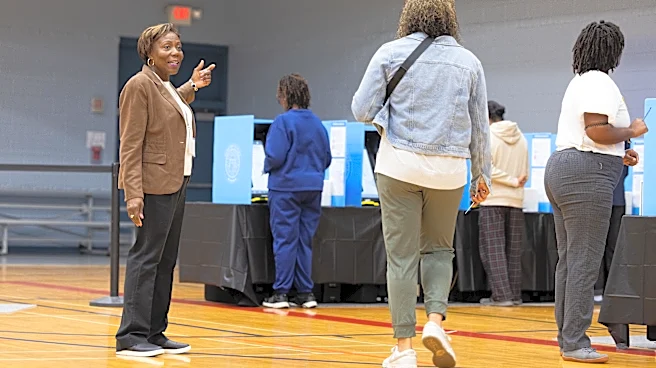
Chicago voters have overwhelmingly supported the reinstatement of gunshot detection technology, with 72.5% of over 600,000 votes cast in favor of an advisory referendum question. This vote follows Mayor Brandon Johnson's decision to end the use of ShotSpotter
technology in the city, a move he made to fulfill a campaign promise. Mayor Johnson had previously referred to the system as a 'walkie-talkie on a stick,' questioning its effectiveness in preventing gun crimes. However, some members of the Chicago City Council, including retiring 19th Ward Alderman Matt O’Shea and 36th Ward Ald. Gil Villegas, argue that the technology is valuable for law enforcement in responding to incidents, even if not for prevention. The advisory referendum's results indicate a strong public desire for the technology to resume.
Why It's Important?
The overwhelming public support for gunshot detection technology highlights a significant divergence between public sentiment and the current mayoral policy in Chicago. This non-binding referendum, while not legally enforceable, puts pressure on Mayor Johnson's administration to reconsider its stance or at least acknowledge the public's concerns regarding public safety. The debate over ShotSpotter reflects broader discussions about the effectiveness of technology in policing, resource allocation, and community safety. For residents, the technology represents a potential tool for quicker police response to violent crime, while critics, including Mayor Johnson, have raised questions about its accuracy and cost-effectiveness. The outcome of this debate could influence future public safety strategies and the role of technology in urban policing across the U.S.
What's Next?
Despite the advisory referendum results, Mayor Johnson's administration is currently planning a six-month pilot program involving gunshot-detection and other public-safety technologies in specific police districts on the South and West sides. This pilot aims to evaluate what works, listen to community input, and ensure effective results before making long-term commitments. While the administration has not yet commented on the referendum results, the strong public mandate may prompt further discussion or adjustments to their approach. Some City Council members are actively exploring alternatives to ShotSpotter, with Ald. Raymond Lopez showcasing a system from Alarms.com that uses both sound and infrared sensors. The future of gunshot detection technology in Chicago will likely involve continued debate between the mayor's office, the City Council, and community stakeholders.
Beyond the Headlines
The debate surrounding gunshot detection technology in Chicago touches upon complex issues of public trust, technological efficacy, and governmental accountability. The public's strong vote in favor of the technology suggests a desire for proactive measures against gun violence, even as the mayor's office expresses skepticism about its practical benefits. This situation underscores the challenge faced by urban leaders in balancing public demand for safety with evidence-based policy-making and fiscal responsibility. Furthermore, the discussion about replacing ShotSpotter with alternative technologies highlights the evolving landscape of public safety solutions and the ongoing search for effective tools to combat crime in major U.S. cities. The outcome in Chicago could set a precedent for how other municipalities approach similar technological implementations and public safety concerns.