







What's Happening?
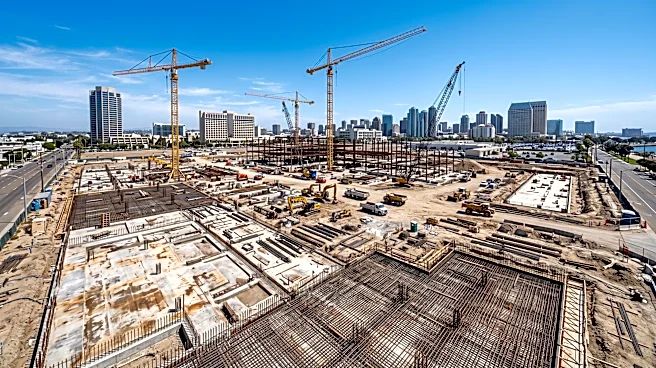
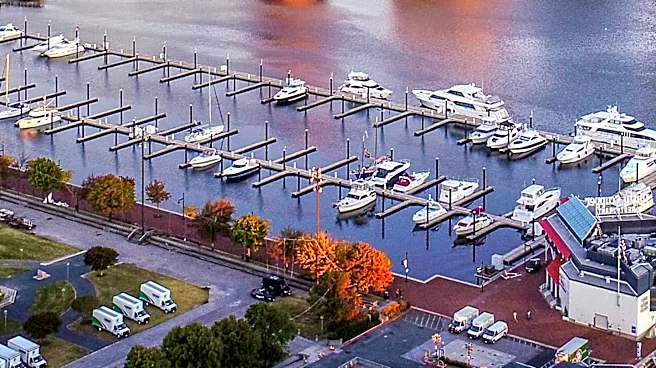
The ambitious redevelopment project for Baltimore's Harborplace is experiencing further delays, with construction now anticipated to begin in the first quarter of 2027. Developer David Bramble is spearheading the revitalization efforts, which aim to transform
the once-popular waterfront destination by replacing vacant pavilions with a mix of housing, retail, restaurants, and entertainment, including waterfront parks and an outdoor amphitheater. The plan includes two new apartment buildings, one 32 stories and another 25 stories tall. These delays are attributed to legal challenges and other setbacks. The project seeks to rejuvenate an area that many residents feel has lost its appeal over the years, with some expressing frustration over the slow pace of progress and concerns about the potential impact of the new tall buildings on existing views and property values. Economists like Anirban Basu, CEO of Sage Policy Group, have raised questions about the financial implications for the city if properties lose value due to elevated vacancy, potentially leading to less tax revenue for essential services.
Why It's Important?
The prolonged delays in the Harborplace redevelopment project carry significant implications for Baltimore's urban core and its economic future. A revitalized Harborplace is seen as crucial for the city's image and economic health, as a thriving downtown is often a hallmark of a successful urban center. The current state of the waterfront, described by the developer as resembling a 'zombie apocalypse,' deters tourism and local engagement, impacting businesses and city revenue. The proposed mixed-use development, particularly the inclusion of substantial housing, aims to increase residential density and economic activity. However, concerns from residents and experts about the project's speed, potential obstruction of views, and the financial commitment required from the city highlight a delicate balance between progress and public interest. The project's success or failure could set a precedent for future large-scale urban renewal initiatives in Baltimore, influencing investor confidence and community trust in city planning processes. The debate over public input and financial terms underscores the broader challenge of ensuring that major developments genuinely benefit all city stakeholders.
What's Next?
The developer, David Bramble, hopes to commence construction in the first quarter of 2027, assuming no further legal challenges or setbacks. Community engagement remains a critical component, with residents emphasizing the need for their voices to be heard and incorporated into the final plans. Public meetings and opportunities for citizen input will likely continue as the project navigates its next phases. Key questions regarding the financial terms and the long-term benefits for Baltimore still need to be addressed to ensure the project's viability and public support. The city will need to carefully consider the economic projections, including potential tax revenues and impacts on existing property values, to justify the investment. Stakeholders, including local businesses, residents, and city officials, will be closely monitoring the progress and any new developments, particularly concerning the resolution of legal hurdles and the finalization of design and financial agreements.
Beyond the Headlines
The Harborplace redevelopment project transcends a simple construction endeavor; it represents a critical juncture for Baltimore's identity and urban planning philosophy. The tension between economic revitalization and preserving community character, including views and public spaces, is a recurring theme in urban development. The project's reliance on tall residential buildings, while potentially boosting population density and economic activity, also raises ethical questions about equitable access to urban amenities and the potential for displacement or marginalization of existing communities. The extensive delays and public debate underscore a broader societal shift towards demanding greater transparency and public involvement in large-scale urban projects. Furthermore, the project's success could influence how other U.S. cities approach the redevelopment of aging waterfronts and downtown areas, particularly in balancing commercial interests with environmental sustainability and community well-being. The long-term implications extend to how Baltimore defines its future as a vibrant, inclusive, and economically resilient city.