






What's Happening?
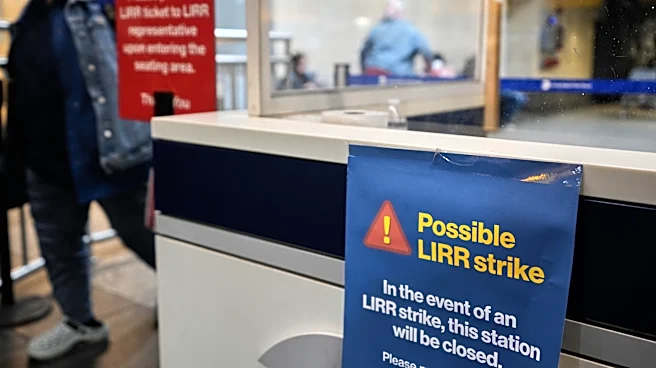
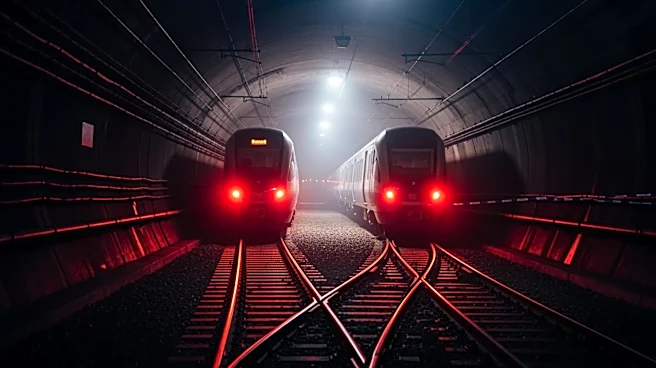
The Long Island Rail Road (LIRR), North America's busiest commuter rail system, has shut down due to a strike, marking its first work stoppage since 1994. The strike has caused significant disruptions for commuters who rely on the LIRR for daily travel.
CBS News New York reports that the strike has led to widespread inconvenience, with commuters seeking alternative transportation options. The strike is a result of unresolved labor disputes, and it has prompted discussions on how to manage the impact on the region's transportation network.
Why It's Important?
The LIRR strike highlights the critical role of commuter rail systems in urban transportation infrastructure. The shutdown affects thousands of daily commuters, potentially leading to increased traffic congestion and economic disruptions in the New York metropolitan area. The strike underscores the importance of labor relations in maintaining essential services and the potential consequences of unresolved disputes. It also raises questions about the resilience of transportation networks and the need for contingency plans to mitigate the impact of such disruptions on commuters and the economy.
What's Next?
Negotiations between LIRR management and labor unions are expected to continue as both parties seek a resolution to the strike. In the meantime, commuters will need to rely on alternative transportation methods, such as buses and carpooling, to navigate the disruption. The outcome of the negotiations will be closely watched, as it could set precedents for future labor relations within the transportation sector. Additionally, the strike may prompt discussions on improving infrastructure and developing more robust contingency plans to handle similar situations in the future.