
What's Happening?
New England is projected to experience a warmer and wetter winter than usual, primarily influenced by a strong El Niño event. Forecasts from the National Oceanic and Atmospheric Administration (NOAA),
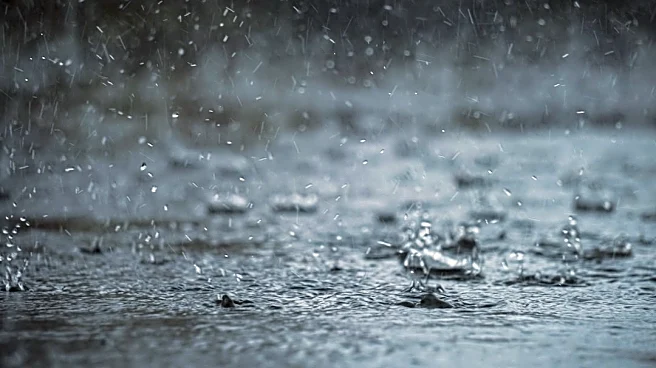
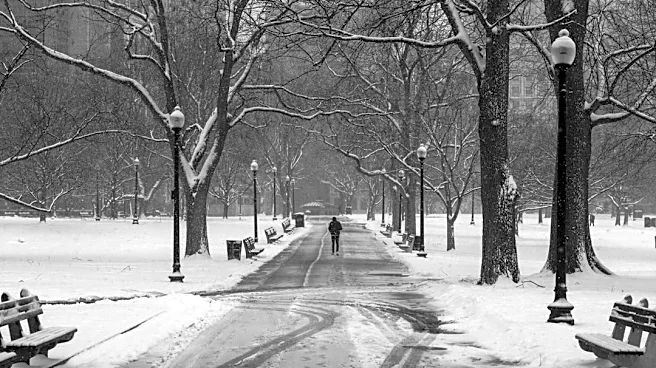
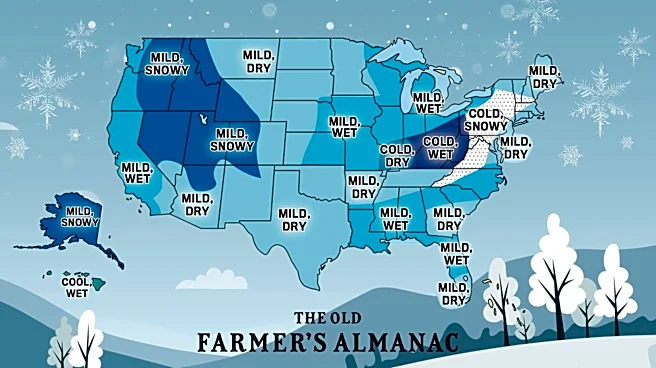
the Old Farmer's Almanac, and the Farmers' Almanac generally agree on this trend, although they differ on specific precipitation types and amounts. NOAA's Climate Prediction Center, which leverages decadal trends and climate patterns like El Niño, anticipates the northern half of the U.S. to be much warmer than average, leading to more coastal storms in New England. The Farmers' Almanac also emphasizes more coastal storms with a mix of snow, sleet, and rain. In contrast, the Old Farmer's Almanac predicts a mostly mild and dry winter for most of New England, with some colder and snowier conditions in the interior Northeast. Overall, the consensus points to a shift from the colder winter experienced last year to one with more rain, ice, and slush, particularly in coastal areas, with the best chances for near-normal snow totals further inland.
Why It's Important?
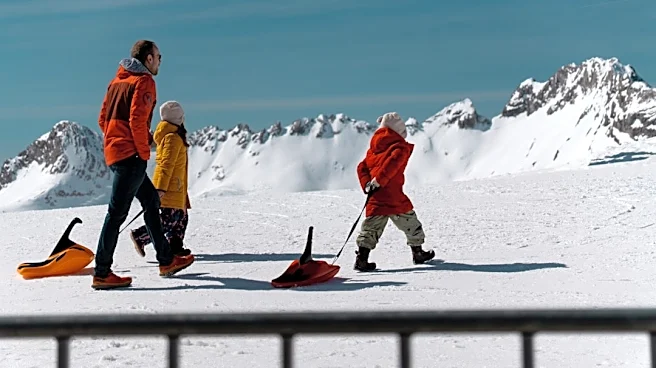
A warmer and wetter winter in New England has significant implications for various sectors. For residents, it could mean reduced heating costs but also an increased risk of flooding and hazardous driving conditions due to more rain and ice. The ski industry and other winter tourism businesses could face challenges due to less natural snow, impacting local economies dependent on these activities. Municipalities may need to adjust their winter preparedness strategies, focusing more on managing rain and ice events rather than heavy snowfall, which could affect budgeting for snow removal and road maintenance. The shift in precipitation type, with more rain and less snow, could also impact water resources and ecosystems, potentially affecting spring thaws and water supply. Furthermore, the emphasis on coastal storms raises concerns about potential storm surges, erosion, and infrastructure damage along the New England coastline, necessitating enhanced coastal resilience planning. The differing predictions among almanacs and NOAA highlight the complexities of long-range weather forecasting and the need for continuous monitoring.
What's Next?
As meteorological fall progresses, residents and businesses in New England will need to monitor updated weather forecasts closely. Emergency management agencies will likely refine their winter preparedness plans based on the evolving predictions, focusing on potential coastal storm impacts and managing a higher likelihood of rain and ice. Individuals and homeowners should consider preparing for a winter with less snow but potentially more challenging conditions related to rain, ice, and coastal flooding. Businesses reliant on winter weather, such as ski resorts, may need to implement contingency plans, including increased reliance on artificial snowmaking or diversifying their offerings. The ongoing El Niño event will continue to be a primary driver of weather patterns, and its strength and duration will be critical factors in determining the ultimate winter conditions. Further updates from NOAA and local meteorologists will provide more refined outlooks as the winter season approaches, allowing for more precise planning and adaptation strategies.
Beyond the Headlines
The projected winter weather patterns in New England underscore broader climate trends and the increasing influence of global phenomena like El Niño on regional climates. This shift towards warmer, wetter winters with less snow could become a more frequent occurrence, prompting long-term considerations for urban planning, infrastructure development, and environmental conservation. The economic impact on traditional winter industries could accelerate diversification efforts and innovation in tourism. Environmentally, changes in snowpack and precipitation could alter hydrological cycles, affecting groundwater recharge, river flows, and the health of local ecosystems. The increased frequency of coastal storms also highlights the growing vulnerability of coastal communities to climate change impacts, necessitating sustained investment in resilient infrastructure and adaptation measures. This winter's forecast serves as a tangible example of how global climate patterns translate into local weather experiences, influencing daily life, economic activities, and long-term environmental strategies.