





What's Happening?
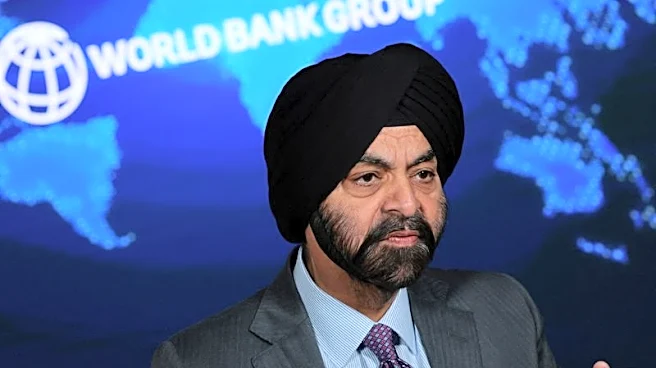
Angola is set to finalize a $400 million debt-for-education swap by June, as announced by Finance Minister Vera Daves de Sousa. This initiative aims to ease the country's debt burden while increasing investment in education. The swap, backed by World
Bank guarantees, will be executed by a commercial bank. Angola's strategy involves refinancing expensive commercial debt and redirecting savings into education projects. The country has also restructured a $1 billion loan with JPMorgan Chase and secured an additional $500 million in financing. Angola's 2026 budget anticipates an oil price of $61 per barrel, with production at 1.05 million barrels per day, resulting in a fiscal deficit of 2.8% of GDP. However, higher oil prices could significantly improve the fiscal outlook.
Why It's Important?
The debt-for-education swap is crucial for Angola as it seeks to manage its rising borrowing costs and improve fiscal resilience. By refinancing costly debt, Angola can reduce high-interest payments and allocate more resources to education, which is vital for long-term economic growth and social development. The initiative also reflects Angola's broader strategy to leverage its oil resources to enhance fiscal stability. Stronger oil prices could further improve the country's fiscal position, potentially narrowing the deficit or even generating a surplus. This move is significant for Angola's economic stakeholders, including international investors and local communities, as it promises better fiscal management and increased social spending.
What's Next?
Angola's future borrowing plans will depend heavily on oil revenue performance and fiscal conditions. The country may continue to explore similar debt restructuring strategies to optimize its financial position. Additionally, Angola's success in managing its debt and boosting social spending could serve as a model for other oil-producing nations facing similar challenges. Stakeholders, including international financial institutions and investors, will likely monitor Angola's fiscal developments closely, as they could impact investment decisions and economic forecasts.