








What's Happening?
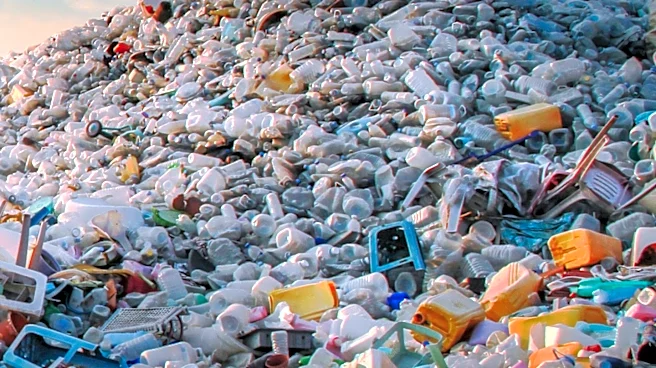
The Sisak-Moslavina County administration in Croatia was aware of the existence of waste, including plastic and construction debris, at the site designated for the future Jodno SPA Center, according to a geomechanical study conducted in June 2023. This
study, which is part of the main project documentation for the SPA, explicitly noted the presence of waste at depths starting from 1.8 meters in two of the three boreholes. Despite this, the County issued an official statement to the media claiming they did not anticipate waste at the location, citing a 2014 geochemical atlas and a nearby recreational zone as evidence of an unpolluted area. However, the geochemical atlas only sampled surface soil up to 10 centimeters deep, and the recreational zone involved minimal excavation. Construction on the SPA center has since been halted due to the discovery of hazardous waste with high mercury concentrations, contradicting the County's earlier assertions.
Why It's Important?
This situation reveals a significant discrepancy between official knowledge and public statements by a regional government body, raising concerns about transparency, accountability, and environmental due diligence in public projects. The presence of hazardous waste, particularly mercury, at a site intended for a SPA center poses serious environmental and public health risks. The County's apparent attempt to downplay or deny prior knowledge of the waste could lead to increased public distrust and potential legal repercussions. This incident highlights the critical importance of thorough environmental assessments and honest communication in infrastructure development, especially when dealing with historically contaminated sites. The additional costs and delays incurred due to the unexpected discovery of hazardous waste will likely impact regional budgets and the timeline for project completion, affecting local economic development and public services.
What's Next?
Following the halt in construction and the public revelation of the geomechanical study, the Sisak-Moslavina County will face intense pressure to address the hazardous waste issue transparently and effectively. Authorities have already been notified, and their procedures are underway. This will likely involve comprehensive environmental remediation efforts, which could be costly and time-consuming. There may be investigations into why the prior knowledge of waste was not adequately addressed before construction began, and who is responsible for the miscommunication or oversight. The project's future, including its design and timeline, will depend heavily on the outcome of these remediation efforts and any subsequent regulatory actions. Public and media scrutiny will remain high, demanding clear answers and accountability from the County administration regarding the handling of this environmental and public health concern.
Beyond the Headlines
The incident at the Jodno SPA Center site delves into deeper issues of historical industrial pollution and its long-term impact on urban development. The area's history as a dumping ground for industrial waste from former factories like Radonja underscores a broader challenge faced by many post-industrial regions: how to safely redevelop contaminated land. This case highlights the ethical dilemma of balancing economic development and public health, especially when past environmental negligence comes to light. It also raises questions about the adequacy of environmental regulations and enforcement mechanisms in preventing such situations. The public's right to accurate information about environmental risks, particularly concerning projects that directly impact their well-being, is central to this controversy. The resolution of this issue could set a precedent for how similar historical contamination sites are managed in Croatia and potentially influence environmental policy and public trust in government projects.