






What's Happening?
The U.S. Federal Communications Commission (FCC) has approved a controversial project by Reflect Orbital to deploy a giant space mirror designed to provide 'sunlight on demand.' This decision comes despite significant opposition from the public and the scientific
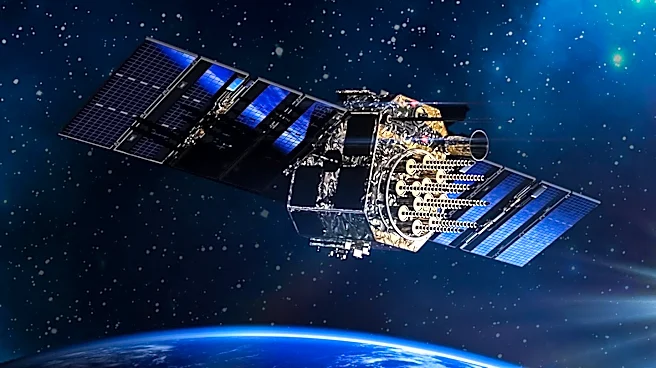
community, particularly astronomers who warn of potential disruptions to astronomical research and the natural night sky. The project involves a single satellite initially, but Reflect Orbital plans to launch up to 50,000 satellites by 2035. The FCC's approval is limited to communication aspects, leaving broader regulatory questions about the environmental and societal impacts unanswered.
Why It's Important?
The approval of this project raises significant concerns about the regulation of space activities and their impact on Earth. The potential for light pollution could affect not only astronomical research but also ecosystems and human health. The project highlights gaps in current regulatory frameworks, as the FCC's mandate does not cover environmental impacts. This situation underscores the need for comprehensive international regulations to manage the increasing number of satellites and their effects on the environment. The project could set a precedent for future space-based technologies, influencing policy and regulatory discussions globally.
What's Next?
Reflect Orbital's plan to launch thousands of satellites by 2035 will likely face further scrutiny from international bodies and environmental groups. The United Nations Office for Outer Space Affairs (UNOOSA) and other international organizations may need to address the regulatory gaps and ensure that space activities do not harm the environment or disrupt scientific research. The project's progress will depend on ongoing dialogues with stakeholders, including governments and the scientific community, to mitigate potential negative impacts.
Beyond the Headlines
The project raises ethical questions about the commercialization of space and the potential for private companies to alter natural phenomena for profit. It also highlights the need for global cooperation in space governance to balance technological advancement with environmental preservation. The impact on the night sky could have cultural implications, affecting traditions and practices that rely on natural darkness.