





What's Happening?
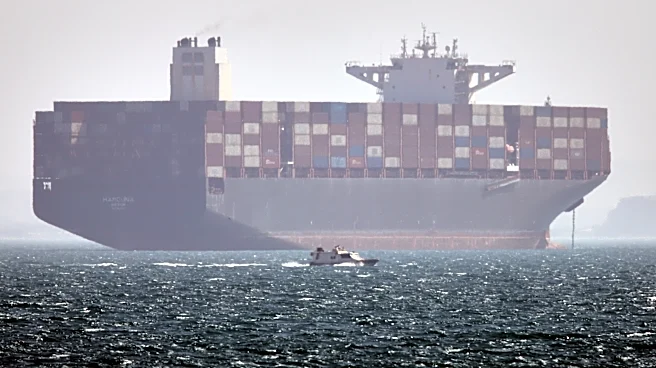
The International Energy Agency (IEA) has reported that the ongoing conflict in the Middle East, particularly involving Iran, is significantly affecting the global liquefied natural gas (LNG) supply. The conflict has resulted in a 15% reduction in LNG supply,
with Iranian attacks disrupting 17% of Qatar's export capacity. This situation poses a threat to gas supplies in Europe and Asia, especially as these regions prepare for the winter season. The IEA's analysis indicates that the medium-term gas outlook is being reshaped, with market conditions expected to remain tight. However, new liquefaction capacity is anticipated to offset some of the lost volumes from Qatar and the UAE.
Why It's Important?
The reduction in LNG supply due to the Middle East conflict has significant implications for global energy markets, particularly in Europe and Asia. With European Union storage levels already below average, the need to secure additional gas supplies is critical to meet winter demand. The conflict underscores the vulnerability of global energy supplies to geopolitical tensions and highlights the importance of diversifying energy sources. The situation could lead to increased energy prices and economic challenges for countries reliant on LNG imports. The IEA's report emphasizes the need for strategic planning and investment in alternative energy sources to mitigate the impact of such disruptions.
What's Next?
The global energy market will likely see continued volatility as the Middle East conflict persists. Countries dependent on LNG imports may seek to diversify their energy sources and increase investments in renewable energy to reduce reliance on volatile regions. The IEA and other international bodies will continue to monitor the situation and provide guidance on managing energy supply challenges. Policymakers and industry leaders will need to collaborate on strategies to enhance energy security and resilience in the face of geopolitical risks.