





What's Happening?
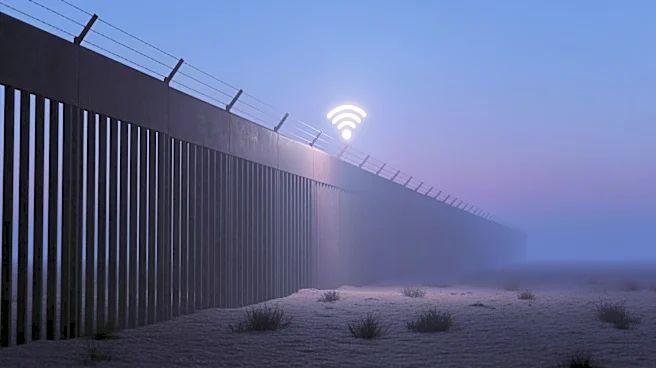
Amid a near-total communications blackout in Iran, many Iranians are crossing into neighboring countries like Turkey to access the internet. The blackout, imposed by Iranian authorities, has cut off internet and phone lines for most citizens, leaving
them unable to communicate or access information. This has led to a surge in Iranians traveling to border areas to connect to the internet, often at great personal risk. The blackout is part of a broader strategy by the Iranian government to control information during times of unrest and conflict.
Why It's Important?
The communications blackout in Iran has significant implications for the country's citizens and the broader region. The inability to access the internet affects not only personal communication but also business operations, as many Iranians rely on online platforms for their livelihoods. The blackout also raises concerns about human rights and freedom of information, as citizens are unable to access critical news and updates. The situation highlights the challenges of balancing national security with individual freedoms and the potential for increased unrest as citizens seek to regain access to information.
What's Next?
The ongoing communications blackout in Iran is likely to continue, with potential implications for both domestic stability and international relations. The Iranian government may face increased pressure from the international community to restore internet access and respect citizens' rights to information. The situation could also lead to further protests and unrest, as citizens demand greater freedom and access to information. The potential for increased tensions and conflict remains high, with significant implications for regional stability.
Beyond the Headlines
The communications blackout in Iran reflects broader issues of governance and control, as the government seeks to maintain power amid external pressures and internal dissent. The situation highlights the importance of information and communication in modern society and the challenges of balancing security with individual freedoms. The ongoing tensions may influence future diplomatic and military strategies, as countries seek to protect their interests and maintain access to critical resources.