

What's Happening?
Jennifer Murtazashvili, a professor at the University of Pittsburgh, has shared her experiences living in Israel amidst a regional conflict, highlighting the disparity between online narratives and on-the-ground realities. Having moved to Israel for a Fulbright
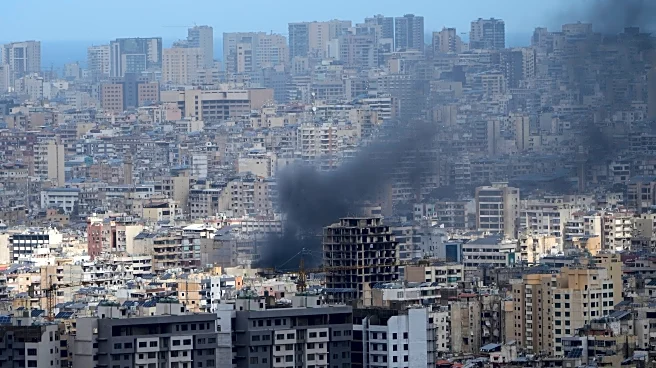
Fellowship, Murtazashvili describes the situation as an 'alt-war,' where misinformation and fake videos have created a distorted perception of the conflict in the United States. Despite the ongoing war, daily life in Tel Aviv continues with relative normalcy, contrary to the alarming images circulating online. Murtazashvili notes that many viral videos are either artificially generated or outdated, contributing to a false narrative that resonates with pre-existing beliefs in the U.S.
Why It's Important?
The divergence between online misinformation and actual events in conflict zones like Israel has significant implications for public perception and policy-making in the United States. The spread of fake news can influence public opinion and potentially impact diplomatic and military strategies. Murtazashvili's observations underscore the challenges of discerning truth in the digital age, where information is abundant but often misleading. This situation highlights the need for critical media literacy and reliable sources to inform public discourse and decision-making processes. The narrative of the war's success or failure can shape international relations and affect the geopolitical landscape, particularly concerning U.S. and Israeli interests.
What's Next?
As misinformation continues to circulate, there may be increased efforts by governments and media organizations to combat fake news and provide accurate reporting. The U.S. and Israel might engage in strategic communication campaigns to counteract false narratives and present a more accurate picture of the conflict. Additionally, there could be a push for greater collaboration between tech companies and governments to address the spread of misinformation on social media platforms. The ongoing situation may also prompt discussions on the ethical responsibilities of media outlets and the role of digital literacy in modern society.
Beyond the Headlines
The phenomenon of 'alt-war' as described by Murtazashvili raises questions about the psychological and cultural factors that drive individuals to accept misinformation. The creation of alternate realities that align with personal beliefs suggests a deeper societal issue regarding trust in media and institutions. This development could lead to long-term shifts in how information is consumed and trusted, potentially affecting democratic processes and civic engagement. The situation also highlights the ethical challenges faced by journalists and media professionals in maintaining credibility and accuracy in their reporting.