





What's Happening?
Japan is set to ease its arms export restrictions, marking a significant shift in its defense policy. Prime Minister Sanae Takaichi's ruling party has approved changes aimed at revitalizing Japan's military industrial base. This move comes as President
Trump’s wavering security commitments and ongoing conflicts in Iran and Ukraine strain U.S. weapons supplies. Japan, which has largely isolated itself from global arms markets since World War II, is now looking to expand its defense exports. Potential new customers include the Polish military and the Philippine navy, both seeking modernization amid regional security challenges. Japanese defense contractors like Toshiba and Mitsubishi Electric are preparing to capitalize on this demand by expanding their workforce and production capacity.
Why It's Important?
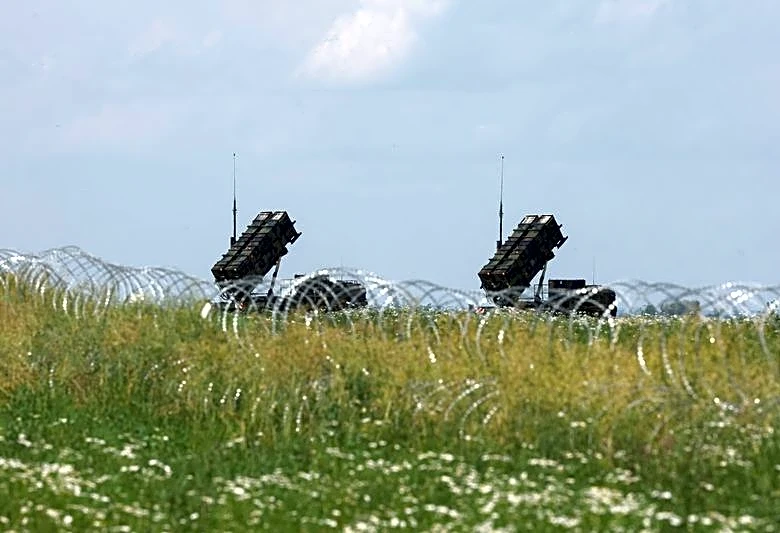
Japan's decision to relax arms export rules represents a strategic pivot in its defense policy, potentially altering regional security dynamics. By expanding its defense exports, Japan aims to reduce its reliance on U.S. military supplies and strengthen its own defense industry. This move could enhance Japan's geopolitical influence and economic growth, as it taps into new markets in Asia and beyond. However, it also raises concerns about regional arms races and the potential for increased military tensions. The policy shift reflects broader global trends of countries seeking to diversify their defense supply chains amid uncertainties in U.S. foreign policy.
What's Next?
Japan is expected to formally adopt the new arms export rules soon, with initial deals likely involving the sale of used frigates to the Philippines. This could be followed by exports of missile defense systems and other advanced military technologies. As Japan expands its defense exports, it may face challenges in balancing its pacifist constitution with its growing military ambitions. The international community will be closely watching how Japan navigates these changes, particularly in relation to its regional neighbors and traditional allies.