

What's Happening?
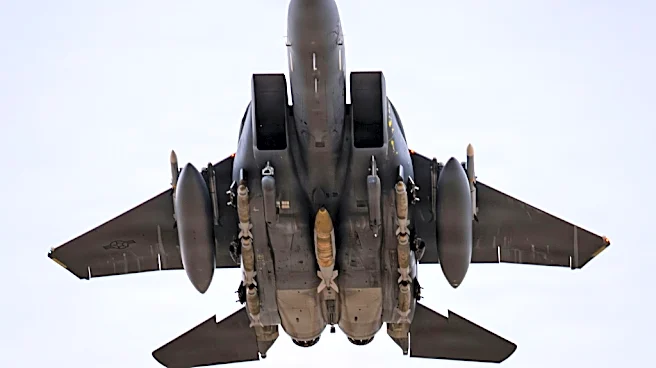
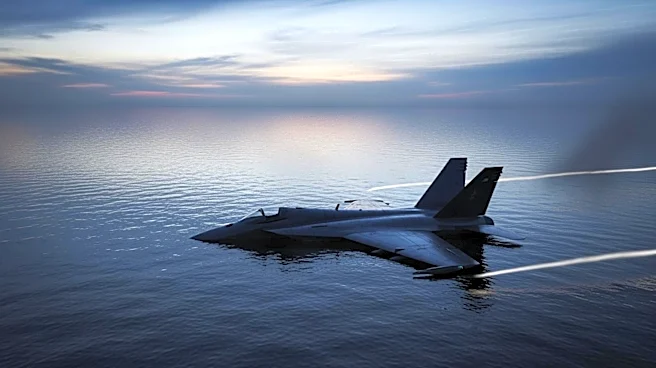
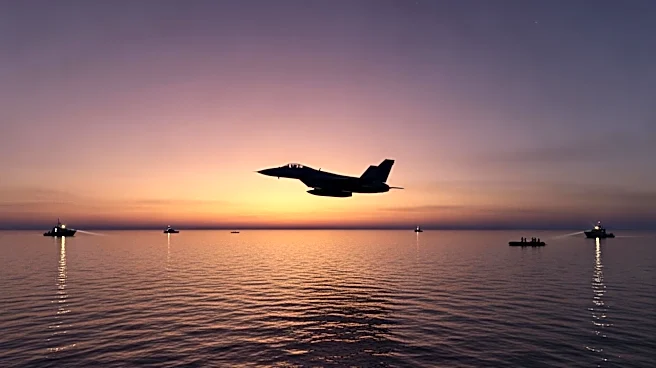
An American A-10 Thunderbolt II fighter jet crashed into the waters of the Gulf near the strategic Strait of Hormuz after reportedly being hit by Iranian fire on Friday night. This incident follows the downing of a US F-15 jet over Iranian territory,
marking the second US aircraft loss within 24 hours. According to reports from Iran's state media and the Tasnim news agency, Iran's air defense systems intercepted and struck the American attack jet. Tehran has claimed responsibility for the incident, boasting about the successful hit. Meanwhile, US officials have confirmed the crash but have provided limited details. The pilot of the A-10 managed to navigate the damaged aircraft to Kuwaiti airspace, where he ejected and was subsequently rescued.
Why It's Important?
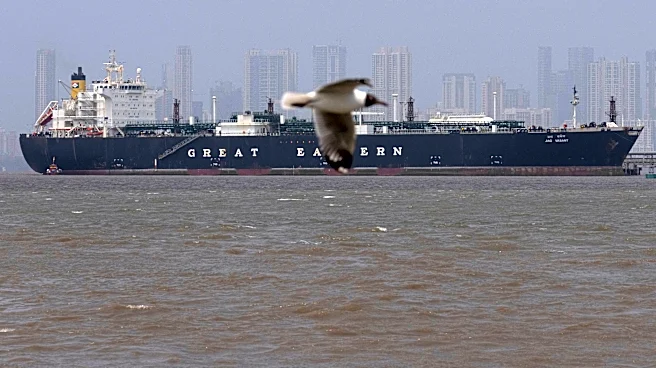
The downing of two US fighter jets in quick succession represents a significant escalation in tensions between the United States and Iran. The Strait of Hormuz is a critical chokepoint for global oil shipments, and military activity in this region can have far-reaching implications for international trade and security. The loss of the A-10 Thunderbolt II, a key asset in the US Air Force's close air support operations, could impact military capabilities and strategic planning. Additionally, these incidents may influence diplomatic relations and military strategies, potentially leading to increased military presence or changes in defense postures in the region.
What's Next?
The US Department of Defense is likely to conduct a thorough investigation into the circumstances surrounding the crashes. There may be diplomatic repercussions, with potential discussions or negotiations aimed at de-escalating tensions. The US military might reassess its operational strategies in the Gulf region, possibly increasing surveillance and defense measures. Iran's claims of successful strikes could lead to further military posturing or retaliatory actions, depending on the US response.
Beyond the Headlines
The incidents highlight the ongoing geopolitical tensions in the Middle East, particularly concerning US-Iran relations. The strategic importance of the Strait of Hormuz means that any military activity in the area can have significant implications for global energy markets and regional stability. The situation underscores the complexities of military engagements and the potential for miscalculations that could lead to broader conflicts.