






What's Happening?
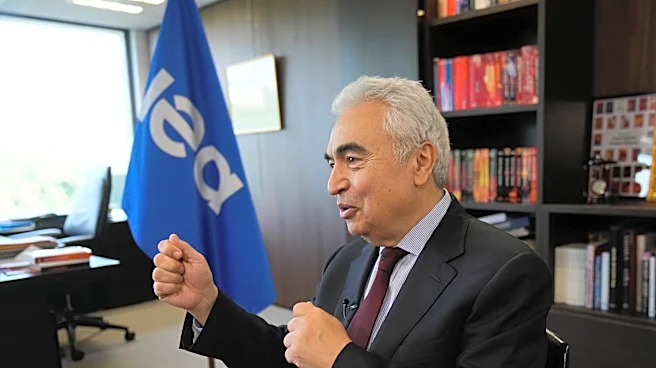
The International Energy Agency's Executive Director, Fatih Birol, has suggested that Italy should reconsider its stance on nuclear energy to enhance its energy security and economic stability. Italy currently has no operational nuclear reactors and relies
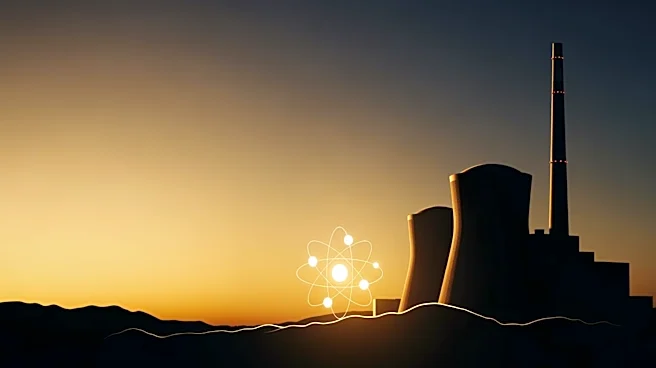
heavily on energy imports, including nuclear-generated electricity from neighboring countries like France. Despite past referendums in 1987 and 2011 that led to the prohibition of nuclear power plants, the Italian government is drafting a new legal framework to potentially lift this ban. Birol emphasized the need for Italy to have stable and continuous energy production, suggesting that nuclear power, including new modular reactors, could be a viable solution. The proposal remains controversial among the Italian population, but the government is expected to present the new framework to parliament soon.
Why It's Important?
Reconsidering nuclear power could significantly impact Italy's energy landscape by reducing its dependency on energy imports and enhancing national energy security. This move could also align with global efforts to reduce reliance on fossil fuels, especially in light of geopolitical tensions affecting oil and gas supplies. For Italy, adopting nuclear energy could mean greater control over its energy resources, potentially leading to economic benefits and increased national sovereignty. However, the proposal faces public resistance due to historical opposition to nuclear energy, highlighting the challenge of balancing energy needs with public sentiment.
What's Next?
The Italian government is expected to present the new legal framework for nuclear energy to parliament in the coming months. This development will likely spark public debate and require careful consideration of public opinion and environmental concerns. If approved, Italy could see the introduction of new nuclear technologies, which may involve collaborations with international partners experienced in nuclear energy. The outcome of this legislative process will be crucial in determining Italy's future energy strategy and its role in the broader European energy market.