



What's Happening?
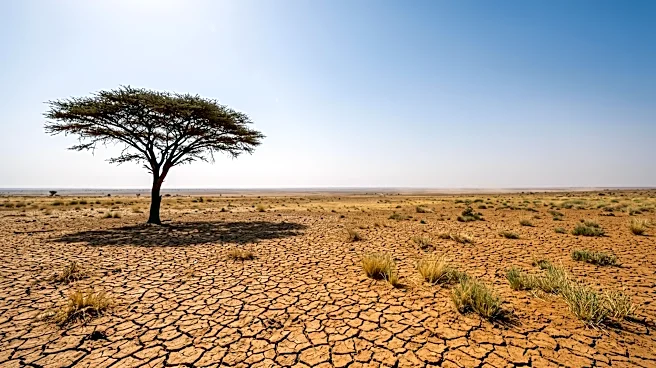
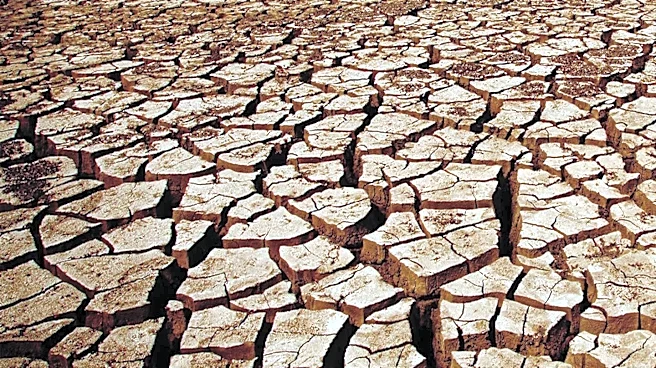
Zimbabwe experienced a severe drought during 2015-2016, primarily caused by the El Niño climate event. This environmental phenomenon led to a widespread regional food security crisis that impacted several Southern African nations, including Malawi, Lesotho,
Eswatini, and Zimbabwe. In response to the escalating crisis, the World Bank initiated a project aimed at mitigating the effects of the drought. This project involved the distribution of 91,000 metric tons of maize to approximately 1.6 million people across the affected areas. The initiative sought to enhance food security and support the livelihoods of vulnerable communities. The project's structure and implementation were adjusted multiple times to ensure that the assistance provided was effectively tailored to meet the evolving needs of the communities grappling with the drought's consequences.
Why It's Important?
The severe drought and subsequent food security crisis in Zimbabwe highlight the profound vulnerability of agricultural economies to climate variability, particularly events like El Niño. This situation underscores the critical importance of international aid and development organizations, such as the World Bank, in providing humanitarian assistance and implementing relief projects during environmental disasters. The distribution of maize to 1.6 million people was crucial in preventing widespread famine and stabilizing livelihoods, demonstrating the immediate impact of such interventions. Furthermore, the need for multiple restructurings of the project emphasizes the dynamic and complex nature of disaster relief, requiring flexibility and continuous adaptation to effectively address the needs of affected populations. This event also serves as a stark reminder of the interconnectedness of global climate patterns and their localized human and economic consequences.
What's Next?
While the immediate crisis of the 2015-2016 drought has passed, the long-term implications for Zimbabwe and other affected nations necessitate ongoing strategies for climate resilience and food security. Future efforts will likely focus on developing sustainable agricultural practices that are less dependent on consistent rainfall, such as improved irrigation systems and drought-resistant crop varieties. International organizations and national governments will need to continue collaborating on early warning systems for climate events to allow for proactive measures rather than reactive responses. Additionally, there will be a continued emphasis on strengthening social safety nets and food reserves to better prepare for future environmental shocks. The experience from this drought will inform policy-making regarding disaster preparedness and climate change adaptation in the region.
Beyond the Headlines
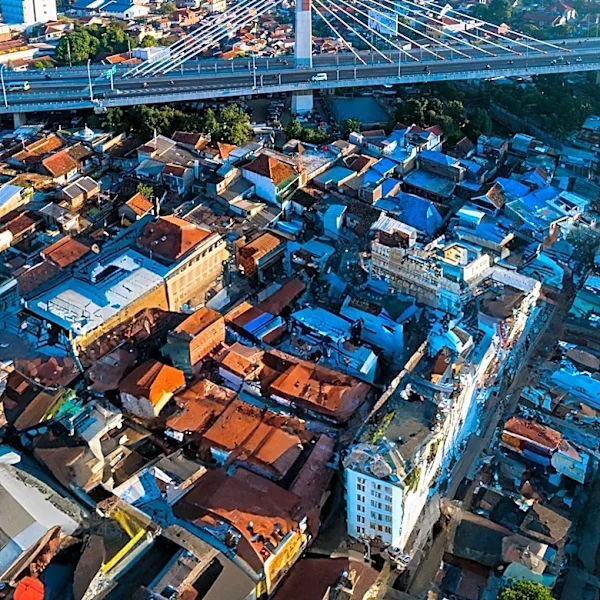
The Zimbabwe drought crisis extends beyond immediate food shortages, revealing deeper systemic challenges related to climate change, economic stability, and governance. The reliance on a single staple crop like maize exposes the agricultural sector's fragility, prompting discussions about crop diversification and sustainable land management. Ethically, the crisis raises questions about global responsibility in addressing climate-induced humanitarian disasters and ensuring equitable access to resources. Culturally, traditional farming practices may need to adapt to new climatic realities, potentially leading to shifts in community structures and livelihoods. The long-term impact could also include increased rural-to-urban migration as people seek more stable environments, placing additional strain on urban infrastructure and resources. This event underscores the urgent need for comprehensive, multi-faceted approaches to address the complex interplay of environmental, social, and economic factors in vulnerable regions.