








What's Happening?
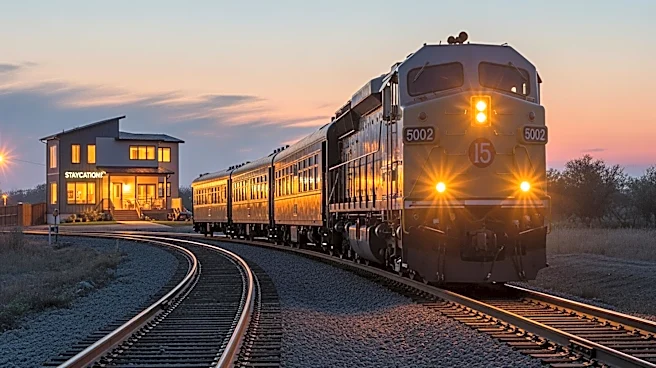
The ongoing energy crisis, exacerbated by geopolitical tensions, is significantly impacting the travel industry. With soaring fuel costs and concerns over energy security, travelers are increasingly opting for trains, staycations, and drive-to destinations.
Airlines are cutting capacity due to fuel shortages, and there is a noticeable shift in booking patterns. In the U.S., demand for long-haul flights is decreasing, while domestic travel, particularly to drive-to vacation spots like Florida, the Carolinas, and Georgia, is on the rise. This trend is reflected in the increased sales reported by vacation companies and digital ticketing platforms, indicating a broader shift in consumer behavior due to the energy crisis.
Why It's Important?
The shift in travel preferences has significant implications for the U.S. travel industry and economy. As consumers opt for more local and less energy-intensive travel options, businesses that rely on long-haul travel may face financial challenges. Conversely, domestic tourism and related sectors could see a boost, potentially leading to economic benefits in regions popular for staycations. This change also highlights the broader impact of global energy issues on consumer behavior and economic patterns, emphasizing the need for industries to adapt to changing circumstances. The situation underscores the interconnectedness of global events and local economic outcomes.
What's Next?
As the energy crisis continues, further adjustments in travel patterns are likely. The travel industry may need to innovate and offer more sustainable and cost-effective options to meet changing consumer demands. Policymakers and industry leaders might also focus on enhancing infrastructure for domestic travel and promoting local tourism. Additionally, ongoing geopolitical developments could further influence energy prices and availability, impacting future travel trends. Stakeholders will need to monitor these dynamics closely to navigate the evolving landscape effectively.