



What's Happening?
Congressman Jeff Van Drew has secured $99 million in federal funding for beach replenishment projects in Cape May County, New Jersey. This funding is crucial as recent storms have caused significant erosion along the Jersey Shore, particularly in Van Drew's
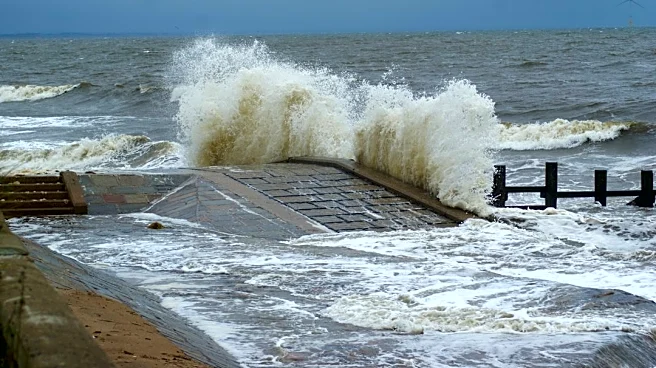
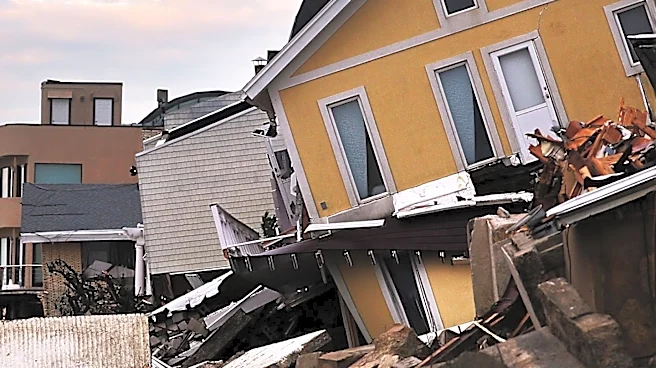
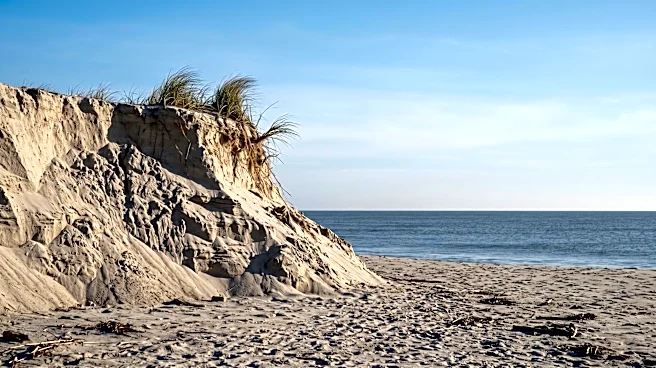
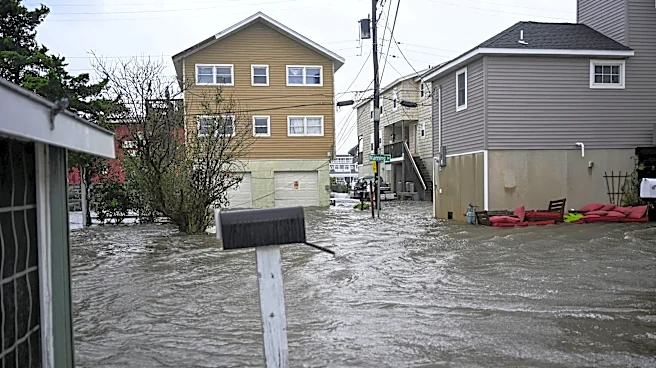
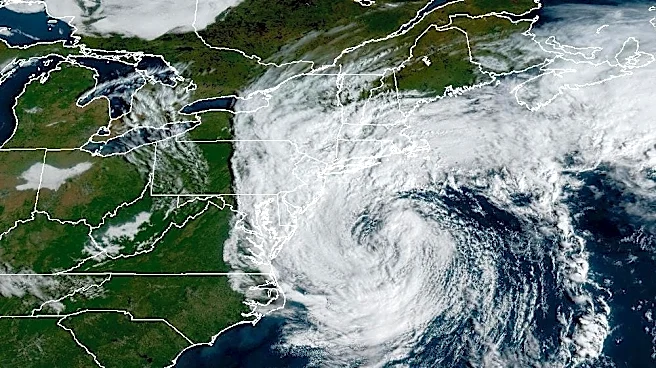
2nd Congressional District, which includes coastal towns in Atlantic and Cape May counties and parts of Ocean County. Following a powerful coastal storm that resulted in substantial sand loss and dune damage, Van Drew announced plans to meet with high-level officials from the Federal Emergency Management Agency (FEMA) and the Army Corps of Engineers. The purpose of these meetings is to discuss federal assistance to aid South Jersey beach communities in their recovery efforts. Local officials, including Sea Isle City Mayor Leonard Desiderio and Ocean City Mayor Jay Gillian, have acknowledged the protective role of recent replenishment projects in mitigating property damage, despite the extensive erosion. The storm's impact, while severe, was compared to the January 2016 nor'easter Jonas, but not as devastating as Superstorm Sandy in 2012.
Why It's Important?
The federal funding and ongoing efforts by Congressman Van Drew are vital for the economic and environmental stability of South Jersey's coastal communities. Beach replenishment projects are critical for protecting infrastructure, homes, and the tourism industry, which is a significant economic driver for the region. The erosion caused by storms directly threatens property values and the safety of residents, while also impacting the natural barrier that beaches provide against future storm surges. The commitment of federal resources underscores the recognition of these areas as national assets requiring protection. Without such interventions, the long-term viability of these shore towns could be jeopardized, leading to substantial economic losses from decreased tourism, increased insurance costs, and potential relocation expenses for residents. The collaboration between federal and local authorities highlights a coordinated approach to disaster recovery and coastal resilience, setting a precedent for how other vulnerable coastal regions might address similar challenges.
What's Next?
Following the recent storm, teams are currently assessing the full extent of the beach damage in Cape May County. Congressman Van Drew is scheduled to meet with officials from FEMA and the Army Corps of Engineers to discuss specific federal assistance for the affected South Jersey beach communities. These discussions will likely focus on expediting the allocation of the secured $99 million and identifying additional resources for recovery and future resilience efforts. Local municipalities, such as Sea Isle City, are expected to seek further beach replenishment and emergency funding. The ongoing assessments will inform the immediate and long-term strategies for coastal protection and restoration. The experience gained from this storm will also likely influence future planning and funding decisions for coastal management in the region, potentially leading to enhanced preventative measures and more robust emergency response protocols.
Beyond the Headlines
The recurring need for beach replenishment in South Jersey highlights a broader national challenge concerning coastal erosion and the impacts of climate change. While federal funding provides immediate relief and protection, the continuous cycle of erosion and restoration raises questions about the long-term sustainability and cost-effectiveness of current coastal management strategies. The reliance on engineered solutions like beach replenishment, while effective in the short term, may not address the root causes of increased storm intensity and rising sea levels. This situation prompts a deeper discussion about balancing economic interests, environmental preservation, and the adaptation of coastal communities to a changing climate. It also underscores the ethical considerations of rebuilding in vulnerable areas and the potential for innovative, nature-based solutions to complement traditional engineering approaches, fostering a more resilient and sustainable future for the nation's coastlines.