






What's Happening?
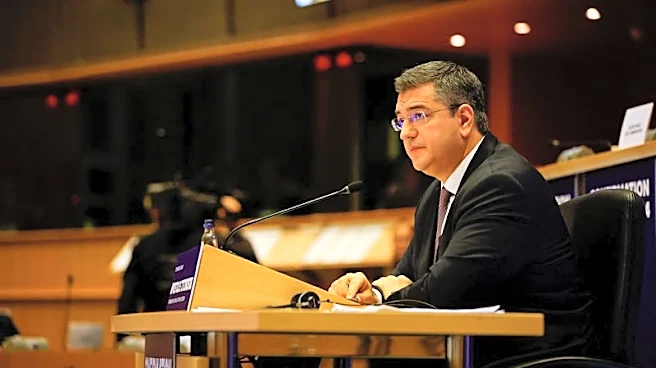
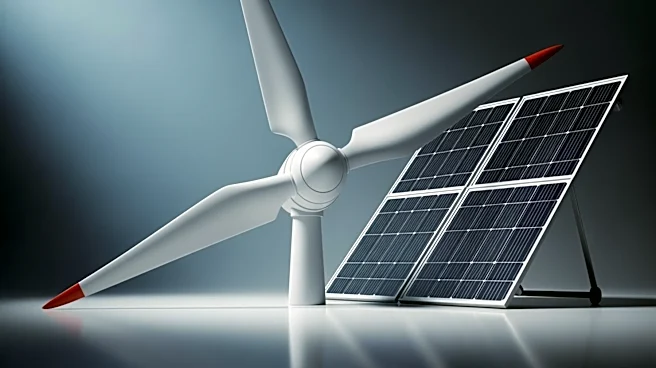
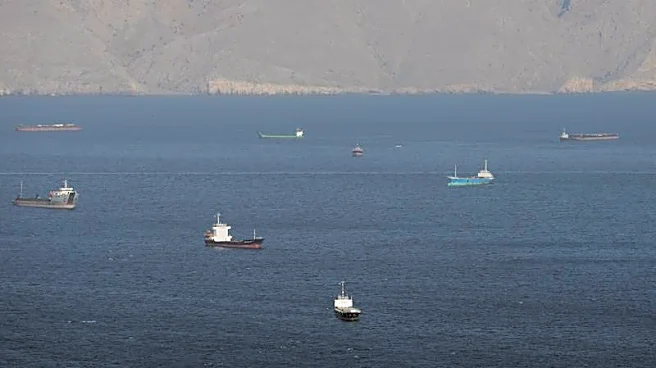
In response to the ongoing conflict in Iran, the European Commission has proposed changes to clean energy and fertilizer subsidy rules. The package, known as AccelerateEU, aims to reduce reliance on natural gas by making electricity cheaper and promoting
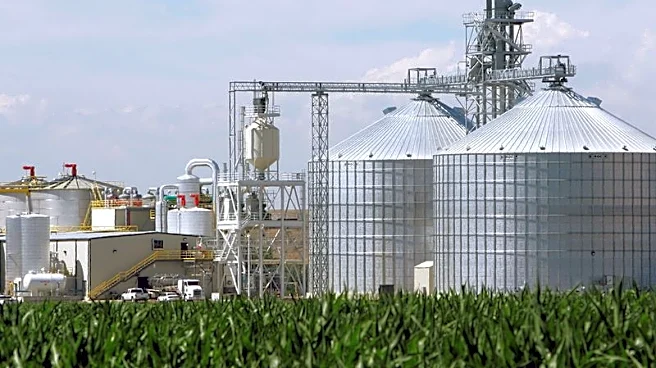
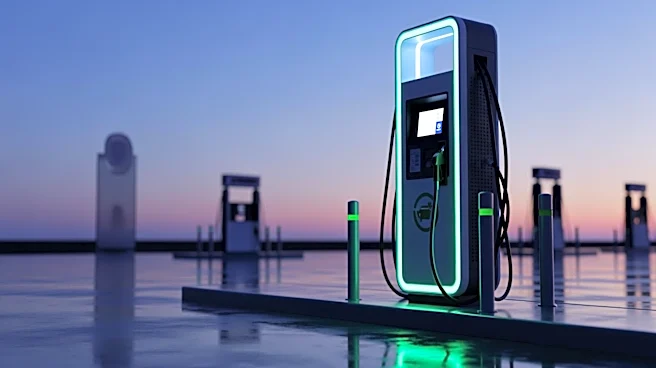
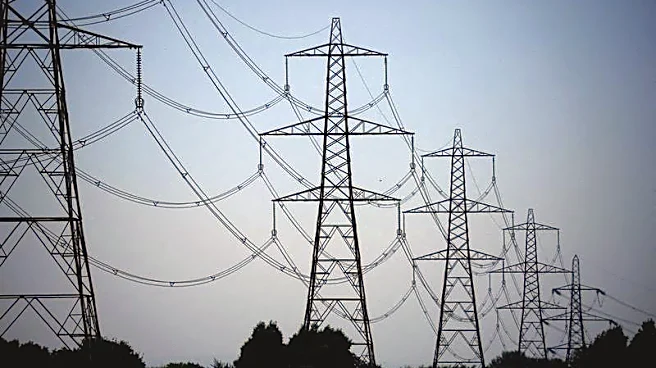
domestic clean energy production. The proposal includes tax adjustments to favor electricity over natural gas and encourages the extension of nuclear and renewable energy infrastructure. Additionally, the package allows EU member states to subsidize up to 50% of fuel or fertilizer price increases for affected industries. The initiative seeks to provide immediate relief to European citizens and businesses while accelerating the transition to clean energy.
Why It's Important?
The EU's decision to adjust subsidy rules highlights the geopolitical impact of the Iran conflict on global energy markets. By prioritizing clean energy, the EU aims to enhance energy security and reduce dependency on external sources. This move could influence energy policies worldwide, encouraging other regions to adopt similar measures. The focus on clean energy aligns with global efforts to combat climate change and transition to sustainable energy systems. The changes also provide economic relief to industries affected by rising energy and fertilizer costs, supporting their resilience in a volatile market.
What's Next?
The implementation of AccelerateEU will require coordination among EU member states to ensure effective execution of the proposed measures. The establishment of a Fuel Observatory to monitor energy imports and storage is a key component of the plan. As the EU navigates the challenges posed by the Iran conflict, further adjustments to energy policies may be necessary. The success of this initiative will depend on the EU's ability to balance immediate economic relief with long-term sustainability goals. The outcome could set a precedent for future energy policy decisions in response to geopolitical events.