




What's Happening?
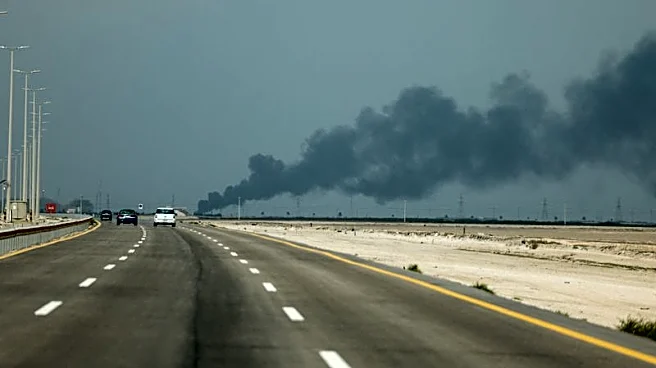
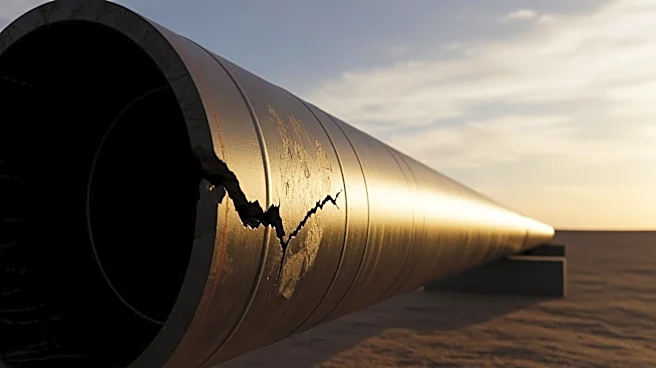
Saudi Arabia's East-West oil pipeline, a critical route for crude exports, was damaged in an Iranian attack, according to industry sources. This pipeline, which diverts approximately 7 million barrels per day from Saudi Arabia's oil-rich eastern region
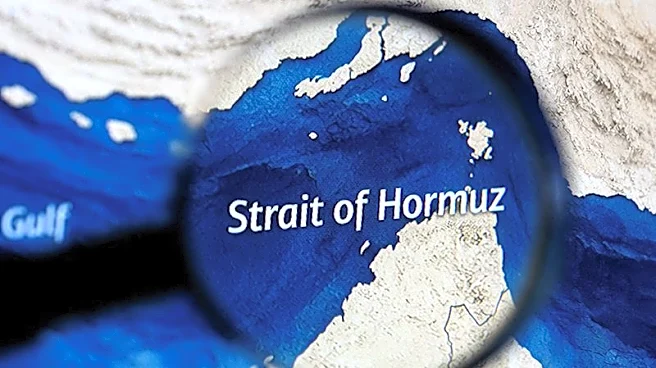
to the Red Sea port of Yanbu, has become the kingdom's sole outlet for crude exports following the closure of the Strait of Hormuz by Iran. The attack has further strained global energy markets, already reeling from the disruption of oil and gas flows through Hormuz, a key chokepoint for global energy supplies. The damage assessment is ongoing, and the incident is expected to worsen what experts are calling the world's worst energy crisis. Aramco, Saudi Arabia's state oil company, uses about 2 million barrels per day domestically, leaving around 5 million barrels for export. Despite the attacks, Yanbu's loadings averaged near capacity in late March, but the situation remains precarious.
Why It's Important?
The attack on Saudi Arabia's pipeline underscores the vulnerability of global energy infrastructure amid geopolitical tensions. The disruption in oil flows through the Strait of Hormuz, compounded by the pipeline damage, has sent energy prices soaring, affecting economies worldwide. The incident highlights the strategic importance of the Strait of Hormuz, through which a significant portion of the world's oil supply passes. The ongoing conflict and infrastructure damage could lead to prolonged supply shortages, impacting global energy security and economic stability. Countries heavily reliant on Middle Eastern oil, including the U.S., may face increased energy costs, potentially leading to inflationary pressures and economic slowdowns.
What's Next?
The immediate focus will be on assessing the damage to the pipeline and determining the timeline for repairs. Saudi Arabia and its allies may seek to bolster security measures around critical energy infrastructure to prevent further attacks. The international community, particularly major oil-importing nations, will likely push for diplomatic efforts to de-escalate tensions in the region. The Organization of the Petroleum Exporting Countries (OPEC) may consider adjusting production levels to stabilize the market, but the extent of the damage and the ongoing conflict could complicate these efforts. The situation remains fluid, with potential for further escalation or resolution depending on diplomatic developments.