




What's Happening?
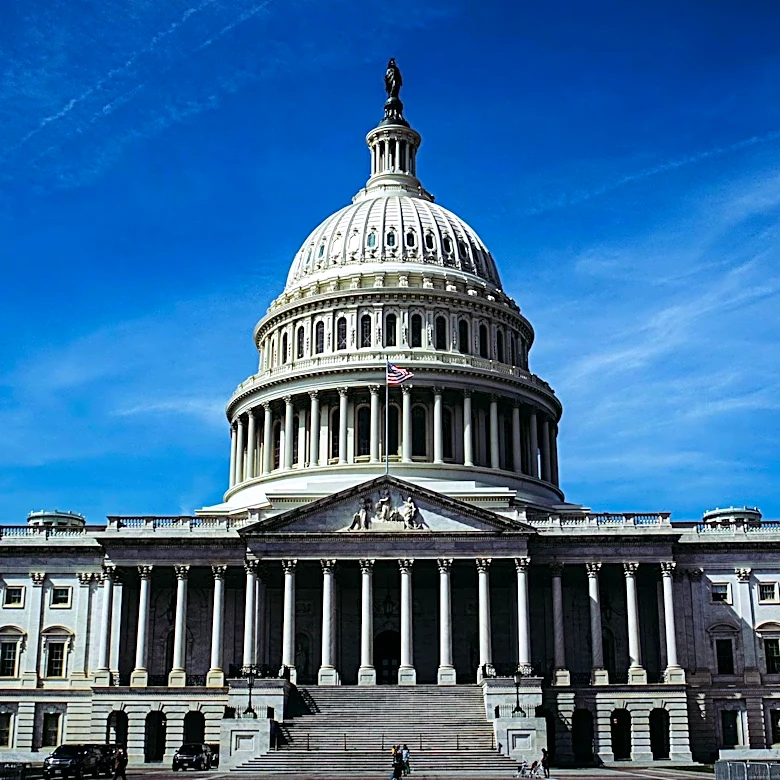
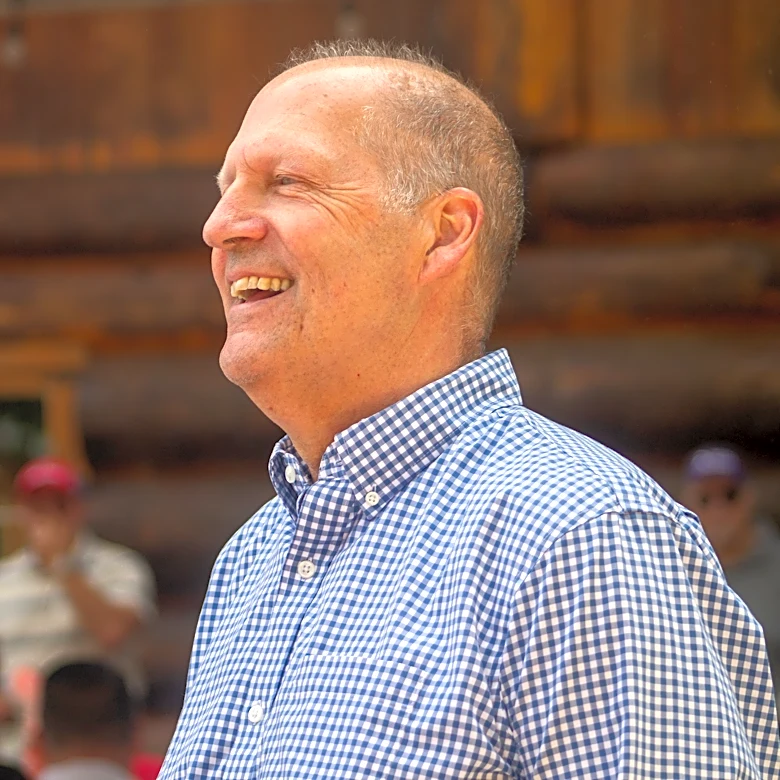
U.S. Rep. Chip Roy (R–Austin) has requested a federal investigation into the Northside Islamic Center of San Antonio's (NICSA) planned expansion in Bexar County. Roy cited concerns regarding the organization's funding, leadership, and the proposed center's
proximity to Camp Bullis, a military training installation. He has asked the U.S. Departments of Justice, War, and the Treasury to examine whether the project violates any criminal, civil, financial, or immigration statutes. Roy's August letter specifically referenced alleged ties between NICSA and the Muslim Brotherhood, which Texas has designated as a terrorist organization, and past statements from NICSA's resident scholar and imam, AbdulRahman Kattab, who reportedly described the October 7 Hamas attacks as 'a day of remembrance.' NICSA responded by condemning 'terrorism, extremism, antisemitism, Islamophobia, hatred and violence in all forms' and invited officials and the public to meet its leadership, review its governing principles, and ask questions, but did not directly address Roy's specific accusations.
Why It's Important?
This situation highlights the complex interplay between national security concerns, religious freedom, and community development in the United States. The call for a federal investigation by a U.S. Representative into a religious organization's expansion project, particularly one near a military installation, raises significant questions about the scope of government oversight and potential implications for civil liberties. If the investigation proceeds, it could set a precedent for how similar community projects are scrutinized, especially those involving religious groups. The accusations of ties to 'nefarious groups' and 'questionable funding sources' could impact public perception of NICSA and potentially other Islamic centers, regardless of the investigation's outcome. Conversely, NICSA's invitation for transparency and its condemnation of extremism underscore the challenges religious organizations face in navigating public scrutiny and dispelling misconceptions, particularly in a heightened geopolitical climate. The outcome could influence how religious institutions are perceived and regulated in the context of national security.
What's Next?
NICSA has not announced a formal construction timeline for its expansion, though the organization has stated the project is 'approaching the finish line.' The next steps will likely involve the U.S. Departments of Justice, War, and the Treasury responding to Rep. Roy's request for an investigation. Should these agencies decide to proceed, it would initiate a formal review of NICSA's finances, affiliations, and conduct. NICSA has publicly invited Rep. Roy and other officials to engage directly with its leadership, offering an opportunity for dialogue and clarification. The organization's willingness to provide transparency could influence the direction and intensity of any potential federal inquiry. The situation could also lead to increased public discourse and media attention on the balance between national security concerns and religious freedom, potentially drawing reactions from civil liberties groups and other political figures.
Beyond the Headlines
The controversy surrounding NICSA's expansion extends beyond immediate security concerns, touching upon deeper societal issues of religious profiling and the interpretation of religious law in a secular state. Rep. Roy's reiteration of concerns that NICSA's 'expansion appears to be a Sharia-compliant and Muslim-only community' and his assertion that 'Sharia has a storied history of treating women, children, and those of other faiths harshly while trying to supplant our Constitution' introduce a cultural and legal dimension to the debate. This perspective raises questions about how different legal and religious frameworks are understood and perceived within the U.S. context, and the potential for such interpretations to fuel Islamophobia or prejudice. The incident could contribute to broader discussions about religious pluralism, the integration of diverse communities, and the role of government in scrutinizing religious practices, particularly when national security is invoked. It also highlights the ongoing challenge of distinguishing between legitimate security threats and potential discrimination based on religious identity.