

What's Happening?
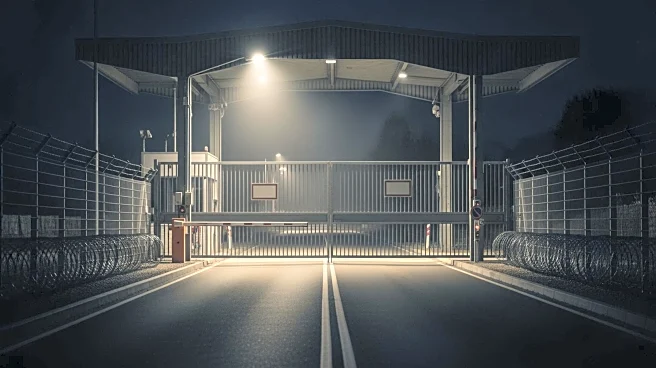
Israel is considering reopening the Rafah border crossing between Gaza and Egypt, contingent upon the return of the remains of Israeli hostage Ran Gvili. The crossing, which is crucial for the movement of people and aid, has been a point of contention
in postwar arrangements. Israeli officials have stated that the crossing will remain closed until Gvili's remains are returned. This development comes amid ongoing efforts to recover Gvili's remains using all available intelligence, with discussions expected in the Israeli Cabinet next week.
Why It's Important?
The reopening of the Rafah crossing is significant as it serves as a vital gateway for humanitarian aid and reconstruction materials into Gaza. Its closure has implications for the region's stability and the well-being of its residents. The situation highlights the complex dynamics of post-conflict negotiations and the challenges of balancing security concerns with humanitarian needs. The outcome of these discussions could impact regional relations and the broader geopolitical landscape, particularly in terms of Israel's interactions with Palestinian authorities and neighboring countries.
What's Next?
The Israeli Cabinet is expected to discuss the situation early next week, which could lead to a decision on the reopening of the Rafah crossing. The outcome will likely depend on the progress of efforts to recover Gvili's remains. Stakeholders, including international organizations and neighboring countries, may play a role in facilitating negotiations and ensuring that humanitarian needs are addressed. The situation will require careful diplomatic maneuvering to balance security concerns with the need for humanitarian access.
Beyond the Headlines
The ongoing dispute over the Rafah crossing underscores the broader challenges of achieving lasting peace and stability in the region. The situation highlights the need for comprehensive solutions that address both security and humanitarian concerns. It also raises questions about the role of international actors in mediating conflicts and supporting post-conflict reconstruction efforts. As the situation evolves, it may prompt discussions about the effectiveness of current diplomatic strategies and the potential for new approaches to conflict resolution.